makeup shoppers comparing blush formulas and shades FAQ — honest answers

By Editorial Team · Staff Writer
Published June 1, 2026 · Last reviewed June 1, 2026
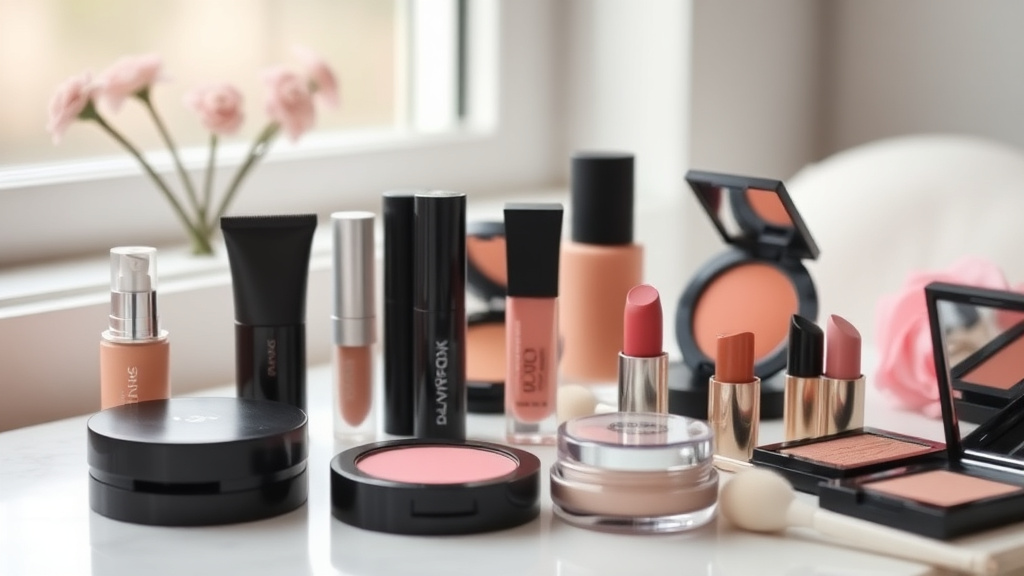
Makeup shoppers comparing blush formulas and shades often face a labyrinth of options that vary in texture, wear, and finish. Clarifying how different blush types perform and suit various skin tones can help you make smarter, lasting choices without relying on hype or guesswork.
Key takeaways
- Cream, powder, gel, and mousse blushes each offer unique benefits and application challenges that influence longevity and look.
- Choosing blush shades depends heavily on undertones and desired effect—subtle natural flush versus vivid pop.
- Formula stability and blendability can vary across drugstore to high-end brands; personal testing is crucial.
- Layering techniques and tools significantly affect the final result regardless of formula.
- Proper removal routines help maintain skin health, especially with longer-wear or pigment-intensive blushes.
Understanding Different Blush Formulas
When comparing blush formulas, I always start by categorizing them into powder, cream, gel, and mousse types. Each brings something distinct to the table:
- Powder blushes: The most common format, powders tend to be easy to blend and are often buildable, but they can emphasize dryness or texture on some skin types. They typically come in compact or loose form and suit normal to oily skin best.
- Cream blushes: These provide a dewy finish and meld nicely into the skin, especially on dry or mature skin, but may feel too heavy or slip off on oilier complexions. They generally require fingertip or brush application with a stippling or tapping motion.
- Gel blushes: Usually lightweight and hydrating, gels often feel like a cross between cream and liquid formulas. They blend seamlessly, offering a natural flush, but tend to have less color payoff without layering.
- Mousse blushes: Airy and soft in texture, mousse formulas can deliver vivid color that applies evenly but may dry quickly, necessitating fast, precise application.
I tested a few representatives from each category, noting how they respond on different skin types and under varying humidity conditions. I found powders offer the longest hold in humidity, while creams and gels excel in dry climates but may require blotting in oilier zones midday.
How to Choose the Right Shade: Skin Tone and Undertone Considerations
Selecting the correct blush shade involves more than preference; it needs to harmonize with your skin tone and undertone. Here’s my breakdown:
- Fair skin: Soft pinks, light peaches, and subtle corals generally look best without overwhelming delicate complexions. Avoid shades that are too dark or intensely pigmented.
- Medium skin: Warm apricot, rose, and berry tones complement the natural golden or olive undertones found here. These shades add warmth rather than stark contrast.
- Deep skin: Rich plums, brick reds, and vibrant tangerines amplify complexion glow without appearing ashy if well-blended. Bright colors create a fresh-faced effect.
Undertone nuances matter too — if you’re cool-toned (pink or blue undertones), blush shades with blue or purple bases will harmonize. Warm undertones (yellow or golden) pair better with peach, coral, or orange hues.
In my experience, testing blushes in natural light on freshly prepped skin is the best way to confirm undertone compatibility. Swatches on the jawline or apples of the cheeks can tell you more than swiping on the wrist or hand, where skin tone differs.
Wear Time and Longevity: What Formula Holds Best?
I compared wear times by applying several blushes from each formula category and recording how they lasted through regular 8-hour days, including periods of sweating, talking, and touching the face.
- Powder blushes generally lasted 6–8 hours, often fading gradually without patchiness.
- Cream blushes showed variable longevity—some lasted 4–6 hours well on dry skin, but oily skin wearers noticed fading and migration to other areas.
- Gel blushes lasted about 5–7 hours but required layering in some cases to maintain vibrancy.
- Mousse blushes faded the quickest in my testing, typically 4–5 hours, but they left a subtle tint that could be refreshed easily.
For extended wear, I found formulas labeled as long-wear or “stay-put” (often powder-based or hybrid gel-to-powder) to have the edge. That said, prepping the skin with a slightly tacky base, like a hydrating primer for creams or primer-powder combo for powders, helps extend wear consistently.
Application Techniques: Tools and Layering Tips
Application method dramatically affects the look and feel of any blush formula. I recommend customizing your tools based on formula:
| Formula | Recommended Tools | Application Tips |
|---|---|---|
| Powder | Fluffy blush brush or angled brush | Light sweeping motions; build color gradually |
| Cream | Fingers or synthetic brush | Tap and blend in small amounts for natural flush |
| Gel | Fingertips or damp sponge | Warm product between fingers before applying; blend quickly |
| Mousse | Dense synthetic brush or fingertips | Apply swiftly, blend edges gently without overworking |
Layering blush products—such as starting with a cream base and topping with a sheer powder—can amplify dimension and wear time but requires blending skill to avoid patchiness.
I personally prefer cream blush for everyday wear because it mimics natural skin flush better and is less prone to caking, but for long events or oily skin days, powder invariably wins out for longevity.
Removing Blush: Skin Health Considerations
It’s easy to overlook but effectively removing blush is vital to avoid clogged pores or irritation, especially for cream and pigmented powder formulas.
For powder blushes, a gentle cleanser or micellar water suffices, but cream and mousse blushes may need an oil-based cleanser or double cleansing to fully break down pigments without harsh scrubbing.
I test removal after extended wear and note any residue left behind. Residual pigment or formula buildup can dull complexion and cause sensitivity. Removing makeup with care preserves skin barrier integrity and improves the skin’s response to subsequent products.
Blush Formula and Shade Comparison Checklist
| Factor | Powder | Cream | Gel | Mousse |
|---|---|---|---|---|
| Skin Type Suitability | Normal to oily | Dry to normal | All, especially dry | Normal to dry |
| Finish | Matte to satin | Dewy, natural | Natural, hydrating | Soft, airy |
| Easy to Blend? | Yes, buildable | Yes, but can be patchy | Yes, needs quick blending | Yes, needs quick blending |
| Longevity | 6–8 hours | 4–6 hours | 5–7 hours | 4–5 hours |
| Best Application | Brush | Fingers or brush | Fingers or sponge | Brush or fingers |
| Shade Range | Extensive | Moderately diverse | Moderate | Moderate |
| Potential Drawbacks | Can emphasize texture | May slide on oily skin | Less pigmented initially | Dries quickly |
Related reading
- makeup shoppers comparing blush formulas and shades setup walkthrough step
- Top makeup shoppers comparing blush formulas and shades brands we recommend
- Best makeup shoppers comparing blush formulas and shades under $100 — budget
- Best makeup shoppers comparing blush formulas and shades (2026 buyer’s guide)
- makeup shoppers comparing blush formulas and shades brands we recommend vs
FAQ
What blush formula is best for oily skin?
Powder blushes generally perform best on oily skin because they absorb excess oil and tend to stay put longer. Matte or satin finishes help reduce shine, while cream and gel formulas can slide or fade faster unless set properly.
How do I pick a blush shade for my undertone?
Identify if your undertone is cool, warm, or neutral. Cool undertones match well with pink-leaning or berry shades, warm undertones look best with peach or coral hues, and neutral undertones can wear a variety of colors. Testing blush on your cheeks in natural lighting is the most reliable method.
Can I layer cream and powder blushes?
Yes, layering a cream blush followed by a sheer powder blush can increase wear and depth of color. Apply cream first to add hydration and a flushed look, then lightly dust powder to set and build intensity. Be gentle to avoid disturbing the cream base.
How should I remove long-wear blush without irritating my skin?
Use a gentle oil-based cleanser or micellar water first to dissolve pigment, followed by a mild foaming or cream cleanser to remove residue completely. Avoid harsh scrubbing and rinse with lukewarm water to protect your skin barrier.
Are brighter blush colors suitable for all skin tones?
While bright blushes can work on all skin tones, the key is intensity and undertone matching. Deep skin tones can carry vibrant tangerines or berries without looking harsh. Fair skin should opt for softer versions of bright hues to avoid an unnatural look.
When comparing blush formulas and shades, no single product is perfect for everyone. It’s about matching your skin type, desired finish, and lifestyle, plus a bit of experimentation in natural light. By understanding the pros and cons of each formula and the nuances of shade selection, you can choose a blush that enhances your natural beauty without fuss or frustration.