When to upgrade your makeup shoppers comparing blush formulas and shades setup

By Editorial Team · Staff Writer
Published June 1, 2026 · Last reviewed June 1, 2026
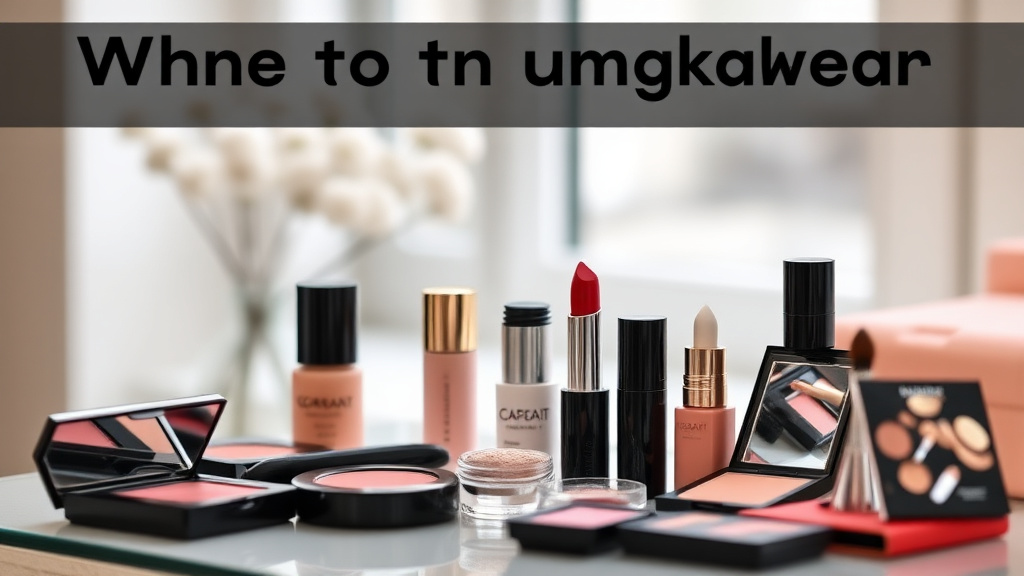
Upgrading your makeup setup can be a tricky decision, especially when comparing blush formulas and shades. Knowing when it’s time to refresh your blush collection can save money, improve your look, and elevate your makeup routine with ease.
Key takeaways
- Upgrade your blush setup when existing formulas no longer suit your skin type or desired finish.
- Experimenting with different blush shades helps avoid a monotonous look and complements changing skin tones throughout seasons.
- Transitioning from powder to cream or gel blushes can offer enhanced blendability, wear time, and natural finish.
- Consider product expiration, performance dips, and changes in packaging usability as signs to update your blush arsenal.
- Personal style evolution and makeup trends are valid reasons to reevaluate and upgrade your blush formulas and shades.
Why Upgrading Your Blush Setup Matters
I’ve watched many makeup shoppers, including myself, cling to their favorite blush formulas for years before realizing an upgrade was overdue. Blush is incredibly versatile; it can subtly lift the complexion or dramatically define the cheeks depending on shade and formula. Over time, sticking to the same blush type might limit your looks or even undermine how fresh and vibrant your makeup appears.
I often notice shoppers hesitate to switch blush shades when their skin tone changes seasonally—or to try new formulas beyond traditional powders because they’re unsure of the benefits. But an upgrade is not just about novelty; it’s about adapting your blush to your current skin needs and style preferences. This can be especially helpful if your lifestyle or environment has shifted (dry winter skin vs. humid summer skin), or if you want your blush to last longer throughout the day.
Signs You Need to Upgrade Your Blush Formulas
1. Your Current Blush No Longer Matches Your Skin Undertone or Finish Preference
If you’re still using the blush you bought years ago without reconsideration, your skin’s undertone might have shifted slightly with age or exposure. For example, someone with neutral undertones may have warm up their complexion over time, making peachy or coral blushes more flattering than previously used pinks.
Similarly, if you find powder blushes increasingly accentuate dry patches or don’t blend smoothly, it might be time to introduce a cream or gel formula for a more natural, dewy finish. I tested both powder and cream blushes recently and noticed cream formulas adapt better to dry or combination skin, while powders can look cakey if not applied carefully.
2. Your Blush Colors Start Looking Dull or Outdated
Sometimes, we get attached to blush shades that suited a past version of ourselves but now feel outdated or dull. If your blush shades are predominantly cool-toned reds or bright pinks but your wardrobe and makeup style have shifted toward warmer tones, upgrading your blush palette can refresh your overall look.
Seasonal changes also impact your shade choice; richer berry or plum blushes often work better in fall and winter, while brighter peaches and corals feel fresh in spring and summer. Swapping out blush shades seasonally keeps your makeup in harmony with your skin’s changing tone and environment.
3. Expired or Underperforming Products
Blush formulas degrade over time, especially cream and liquid types that can harbor bacteria or separate. I always recommend checking product shelf life—typically 12 to 24 months once opened for powder blushes, and shorter for creams/liquids. If powder blushes become hard to blend or seem chalky, or cream products smell off or have changed texture, it’s time to upgrade.
Also, if your blush looks patchy or fades too quickly despite proper application techniques, choosing a longer-lasting formula can enhance wear. Many modern cream and gel blushes offer impressive longevity without caking or fading mid-day.
4. You Want to Try New Trends or Formulations
Blush trends evolve just like lipsticks or eyeshadow palettes. In recent years, sheer tint drops and multi-use cream blushsticks have gained popularity. If your blush routine feels stuck, upgrading with a versatile product that doubles as a lip tint or eyeshadow can simplify your setup while refreshing your look.
For example, I experimented with the multi-use Glossier Cloud Paint and found it provided a beautiful, natural flush and blended effortlessly with my fingertips. This formula upgrade was ideal when I wanted a fuss-free, dewy finish during hot weather.
Blush Formulas Compared: Which One Should You Upgrade To?
| Formula | Best For | Pros | Cons | Upgrade Consideration |
|---|---|---|---|---|
| Powder | Oily/combination skin, beginners | Easy to apply, buildable, long-lasting | Can look dry on textured/dry skin | Upgrade if your skin is less dry or you want ease of use |
| Cream | Dry to normal skin, dewy finish | Natural finish, blends well, hydrating | Can be challenging for oily skin, less durable | Upgrade if you desire a skin-like glow or have dry skin |
| Gel | All skin types, natural finish | Lightweight, fast absorbing, good longevity | Can require layering for more pigment | Upgrade for sheer, buildable blush with modern texture |
| Liquid | All skin types, high pigmentation | Long-lasting, intense color, multifunctional | Harder to control, can be sticky | Upgrade for vibrant, precise application |
| Tint Stain | Minimalists, multifaceted use | Natural flush, multi-use lip and cheek | Sheer coverage, may need layering | Upgrade if you want a dual-purpose product |
When to Upgrade Your Blush Shades
Seasonal Shifts
Changing your blush shade with the seasons is one of the most practical upgrades I recommend. Warmer skin tones typically appear in summer, which pairs well with coral, peach, and bright pink blushes. Cooler, muted tones like mauve or plum can complement paler winter skin perfectly.
Personal Style Evolution
As I tested new blush shades over the years, I realized my preferences shifted along with my overall makeup style. For example, I moved from classic rosy pinks to experimenting with terracotta and bronze blushes for a more bronzed, sun-kissed look. Upgrading blush shades can support the narrative you want your makeup to tell.
Skin Changes
Skincare routines and health impact how blush appears. Hydrated skin reflects light better, so sheer or cream blushes can look radiant on healthy, moisturized skin. If you’ve noticed duller or uneven skin, upgrading your blush formula to one with light-reflecting properties or a more forgiving texture can make a big difference.
Multiple Shades for Versatility
Instead of sticking to a single universal blush shade, upgrading by adding two or three complementary shades expands your makeup creativity. Consider a soft pink for everyday looks, a deeper berry for dramatic evenings, and a peachy shade for warmth during spring and summer.
How to Decide When to Upgrade Your Makeup Blush Setup
- Evaluate Your Current Blush Collection: Take stock of your blush shades and formulas. Are they flattering? Do they last long? Do they feel fresh?
- Assess Skin and Lifestyle Changes: Is your skin drier, oilier, or otherwise different than last year? Do you need a formula that wears better throughout your workday or active lifestyle?
- Test Samples: Whenever possible, try sample sizes or testers to see if a different formula or new shade suits you better before committing to a full product.
- Set a Budget and Prioritize: Upgrading doesn’t mean replacing everything at once. Invest first in a versatile shade or formula that can elevate your routine the most.
- Consider Multi-purpose Products: Select products that double as lipstick or eyeshadow for streamlined beauty setups.
Blush Upgrade Checklist
| Upgrade Factor | Yes | No | Notes |
|---|---|---|---|
| Does your current blush feel dry or patchy? | Consider switching cream or gel formulas | ||
| Have your skin tones shifted seasonally or with age? | Try new complementary shades (warmer or cooler) | ||
| Is your blush aging, smelling off, or difficult to blend? | Replace expired or degraded products | ||
| Do you want longer wear time throughout the day? | Explore liquid or gel blushes with long-lasting formulas | ||
| Do you crave simplicity and multi-use products? | Try multi-use tint or cream blushsticks | ||
| Does your current blush complement your makeup style and wardrobe? | Swap shades to better match current style |
Related reading
- makeup shoppers comparing blush formulas and shades setup walkthrough step
- makeup shoppers comparing blush formulas and shades for small spaces and rental
- Best makeup shoppers comparing blush formulas and shades under $100 — budget
- First-time buyer checklist for makeup shoppers comparing blush formulas and
- Best makeup shoppers comparing blush formulas and shades (2026 buyer’s guide)
FAQ
When is the best time to switch blush formulas?
Switch formulas when your skin type changes, e.g., from oily to dry, or when you want a different finish, like moving from matte (powder) to dewy (cream). Seasonal skin changes or product expiration are also key indicators.
Can I mix blush formulas in one makeup routine?
Yes, combining formulas like a cream blush base topped with a powder blush can enhance longevity and dimension. However, layering too many creams can disrupt foundation wear, so test cautiously.
How do I know if a blush shade suits my skin tone?
Look for blush shades that echo your undertone: cool tones suit pinks and berries; warm tones pair well with peach and corals. Testing swatches on your cheeks indoors with natural light is the best way to see what complements you.
How often should I replace my blush products?
Powder blushes typically last 18-24 months; cream and liquid blushes expire faster, around 6-12 months after opening. Always check for smell, texture changes, or discoloration as expiration signs.
Are there multi-use blushes worth upgrading to?
Absolutely. Multi-use products like Glossier Cloud Paint or Rare Beauty’s Blush Stain offer a natural flush and double as lip tint. These are excellent upgrades for convenience and a fresh, youthful finish.
Upgrading when the time is right ensures your blush enhances your natural beauty and keeps your makeup routine interesting and comfortable. Whether you’re trying out new formulations or refreshing your blush shades for the season, thoughtful changes will elevate your daily makeup game.