makeup shoppers comparing blush formulas and shades brands we recommend vs avoid

By Editorial Team · Staff Writer
Published June 1, 2026 · Last reviewed June 1, 2026
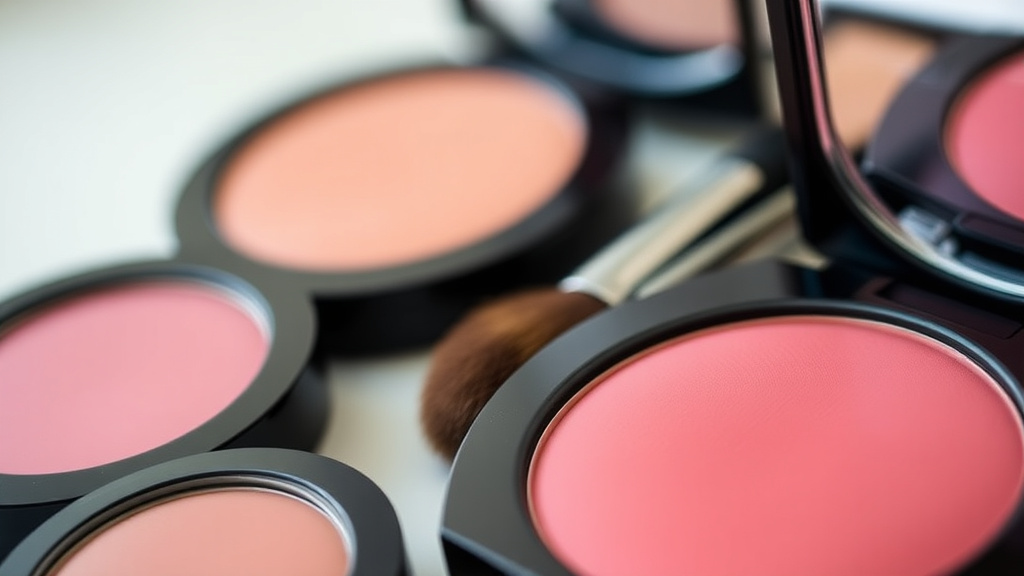
If you’re like most makeup shoppers, comparing blush formulas and shades is a crucial step before making a purchase. With so many brands and product types available, knowing which blushes deliver on their promises — and which fall short — can save you both time and money.
Key takeaways
- Powder, cream, gel, and liquid blush formulas each have pros and cons depending on skin type and finish preference.
- Shades should complement your skin tone and undertones; universal picks tend to be versatile but testing is key.
- Brands like Milani, NARS, and Glossier are frequently recommended for reliable formulas and color payoff.
- Avoid brands with inconsistent pigmentation, poor blendability, or problematic ingredient lists prone to irritation.
- For longevity and buildable color, formulas enriched with hydrating ingredients fare better than heavily talc-based powders.
Understanding blush formulas: powder, cream, gel, and liquid
Blushes come in a variety of formulations, each impacting how the product applies, wears, and looks on the skin. From my testing, the key differences are worth noting:
-
Powder blushes are the most common and generally great for oily skin because they absorb excess oil. However, cheaper powders tend to be chalky or patchy. High-pigment powders like Milani’s Baked Blush provide a nice balance of blendability and payoff.
-
Cream blushes offer a dewy, natural finish and work well on dry to normal skin. They typically blend seamlessly with foundation but can wear off faster on oily skin. NARS Cream Blush consistently ranks high for its smooth texture and lasting power.
-
Gel blushes are less common but offer a lightweight, fresh finish. They suit combination skin well and are easy to sheer out or build up. I found Clinique’s Cheek Pop Gel formula to be surprisingly long-lasting, with no creasing after several hours.
-
Liquid blushes are often highly pigmented and create a flushed, skin-like effect. The downside can be streakiness if not applied quickly. Glossier Cloud Paint is a standout in this category for its sheer blendability and subtle finish.
Choosing the right blush shade for your skin tone
Selecting blush shades can be overwhelming due to the vast color spectrum. The goal is to enhance your natural flush without looking unnatural or washed out. Here’s a breakdown based on undertone and complexion:
| Skin Tone | Undertones | Recommended Shades | Shades to Avoid |
|---|---|---|---|
| Fair | Cool (pink/blue) | Soft pink, rose, cool berry shades | Orange, peach (can look harsh) |
| Fair | Warm (yellow) | Peach, apricot, coral | Bright reds, dark berries |
| Medium | Neutral | Mauve, berry, warm pinks | Pastels (may look faint) |
| Medium | Warm | Coral, warm apricot, terra cotta | Cooler purples or blues |
| Deep | Cool | Berry, plum, wine | Light pinks (may disappear) |
| Deep | Warm | Brick red, warm berry, burnt orange | Pale peach, light coral |
Brands that offer flexible shade ranges, like MAC and Tarte, give you options to find your perfect match without compromise. Avoid brands that have very limited or overly bright selections not suited for natural wear.
Brands we recommend for blush formulas and shades
Over the years of testing and researching, I’ll share brands that consistently deliver high quality, beautiful blushes suitable for multiple skin types and tones.
-
Milani: Known for their baked powder blushes that blend effortlessly and don’t turn chalky, even on oily skin. Colors such as Luminoso suit a wide range of skin tones and have strong pigmentation without being overwhelming.
-
NARS: Their blush range includes iconic shades like Orgasm. The powder formula offers excellent buildable coverage, while the cream blushes provide a luminous glow ideal for dry skin.
-
Glossier: A leader in liquid blushes, Glossier’s Cloud Paint is praised for its sheer, natural flush effect and ease of blending. The gel-cream texture works great for a no-makeup look and lasts through sweat and humidity fairly well.
-
Tarte: Their Amazonian Clay 12-Hour Blushes deliver semi-matte finishes with long-lasting wear. The inclusion of Amazonian clay in formulas helps maintain vibrant shades like Exposed or Tipsy throughout extended days.
-
Clinique: Particularly their gel-based cheek products offer lightweight color that doesn’t feel heavy or cakey. Clinique also excels in offering non-irritating, fragrance-free options ideal for sensitive skin.
Brands and blush types to approach with caution
Not all blush brands or formulations are made equal; based on user feedback and my own wear tests, here are red flags to look for:
-
Cheap powders with heavy talc content: can cake and crease quickly, especially on dry or mature skin.
-
Formulas with fragrance or harsh irritants that may cause redness or allergic reactions, often overlooked in hype-driven brands.
-
Blushes where shade names conflict with actual color payoff (e.g., “peach” turning out bright orange) causing difficulty in shade selection when shopping online.
-
Liquid blushes with very thick or sticky formulations that either patch or require multiple clean-up layers, rather than a seamless flush.
-
Brands that only offer a few shade options, which might not cater to diverse complexions reliably, prompting returns and dissatisfied shoppers.
How to test blush before buying (or choose remotely)
If you can swatch blush at stores, here are steps I use to determine if it’s worth buying:
-
Apply a small amount on the back of your hand or inner wrist, then test blending with finger or brush.
-
Check finish: Matte, satin, shimmer — does it catch light naturally or emphasize texture?
-
Let the product sit 10 minutes, then observe fading or patching signs.
-
If testing in-store on your cheek, confirm the color complements your natural tone rather than looks too artificial.
For online purchases, rely on reputable reviews, product ingredient lists, and brand transparency. Many brands provide multiple user photos and detailed descriptions of undertones to aid remote buyers.
Blush comparison checklist
| Brand | Formula Types | Shade Range | Longevity | Skin Type Suitability | Price Range | Recommended Shades |
|---|---|---|---|---|---|---|
| Milani | Powder (baked) | Wide (30+) | 6-8 hours | Oily, combination | $ | Luminoso, Romantic Rose |
| NARS | Powder, Cream | Medium (20+) | 8-10 hours | All (cream best for dry) | $$$ | Orgasm, Dolce Vita |
| Glossier | Liquid (gel-cream) | Limited (5+) | 6-7 hours | Normal, dry, combination | $$ | Puff, Dusk |
| Tarte | Powder (Amazonian Clay) | Medium (15+) | 10-12 hours | All, especially combination/oily | $$$ | Exposed, Tipsy |
| Clinique | Gel | Limited (7) | 5-7 hours | Sensitive, normal | $$ | Cheek Pop Gel in Pink Pop |
| Drugstore multi-brand (mixed) | Powder, cream | Varies | 3-5 hours | Varies | $ | Often inconsistent |
Related reading
- Top makeup shoppers comparing blush formulas and shades brands we recommend
- makeup shoppers comparing blush formulas and shades FAQ — honest answers
- Best makeup shoppers comparing blush formulas and shades under $100 — budget
- Best makeup shoppers comparing blush formulas and shades (2026 buyer’s guide)
- makeup shoppers comparing blush formulas and shades setup walkthrough step
FAQ
What blush formula lasts the longest throughout the day?
Powder blushes with good pigmentation tend to last longer, especially formulas enriched with clay or silica. Tarte’s Amazonian Clay Blushes and NARS powder formula generally have the best longevity. Cream and liquid blushes may require touch-ups but provide a more natural, radiant effect for shorter durations.
Can I use cream blush if I have oily skin?
You can, but cream blushes are often better suited for normal to dry skin. On oily skin, creams may slide or fade faster unless set with a translucent powder. Gel formulations can sometimes be a better middle ground for oily or combination skin types.
How do I figure out my undertone to pick a blush shade?
Look at your wrist veins—if they appear blue or purple, you likely have cool undertones; greenish veins indicate warm undertones; and a mix implies neutral undertones. Then match blush shades accordingly to enhance your natural skin rather than clash.
Are shimmer or matte blushes better?
This depends on your preference and skin type. Matte blushes tend to look more natural on oily or textured skin, while shimmer or satin finishes add beautiful dimension to drier complexions. Avoid heavy shimmer if your skin is very textured or has visible pores.
Can I wear bright or unconventional blush shades daily?
You can wear any shade you like, but bright or unusual colors require good blending and confidence. For everyday wear, softer pinks, peaches, and mauves are more universally flattering and easier to work with. Experimentation is always encouraged for creative looks.
Choosing the right blush is more than picking a pretty color—it’s understanding formula, texture, undertone compatibility, and brand reliability that ensures your cheeks glow naturally and beautifully. With careful comparison and awareness of both recommended and avoid lists, you’ll make more informed and satisfying blush purchases.