makeup shoppers comparing blush formulas and shades setup walkthrough step by step

By Editorial Team · Staff Writer
Published June 1, 2026 · Last reviewed June 1, 2026
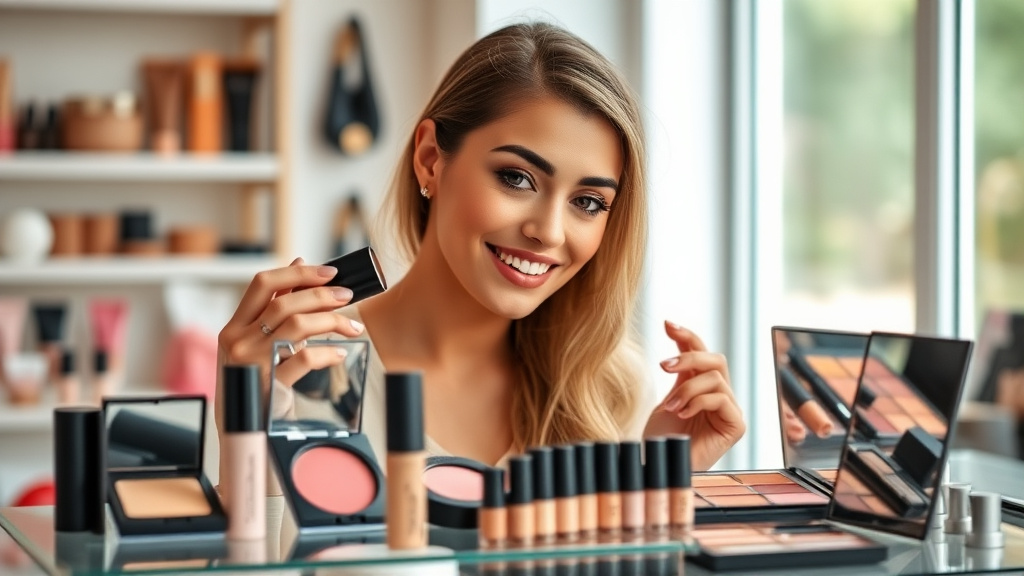
Blush is a staple in many makeup routines, but choosing the right formula and shade can feel overwhelming given the variety of options available today. In this step-by-step walkthrough, I’ll guide makeup shoppers through comparing different blush formulas and shades, helping you find what best suits your skin type, tone, and desired finish.
Key takeaways
- Blush formulas include powders, creams, gels, and liquids, each offering distinct application methods and finishes.
- Skin tone and undertone largely determine the most flattering blush shades, but personal preference and occasion also matter.
- Testing blushes in natural light and layering product gradually are essential steps before purchase.
- Texture, longevity, and blendability are critical criteria to compare during in-person trials.
- Tools and application techniques vary by formula, influencing the end look and wear time.
Understanding Blush Formulas: What’s the Difference?
When comparing blush formulas, it’s important to understand how each performs on the skin and interacts with your complexion and other makeup products.
- Powder Blush: The most common type, powder blush comes in pressed or loose powders. It tends to work well for oily and combination skin types due to its matte or semi-matte finish. Powder blushes are easy to build up or tone down but may be less forgiving over dry or textured skin.
- Cream Blush: Cream formulations provide a dewy, fresh finish and blend seamlessly with most skin types, especially dry or mature skin. They often require fingers, a sponge, or a damp brush for application. Cream blushes can be layered under or over foundation but might feel heavy in humid conditions.
- Gel Blush: Gel blushes offer a transparent, natural flush and tend to absorb quickly into the skin. They fit well for those seeking a barely-there makeup look. The downside is that gels sometimes lack pigment payoff and require careful blending.
- Liquid Blush: This formula delivers high pigmentation with a liquid base that can be easily layered or sheered out. Liquid blushes are highly versatile but demand faster blending since they can set quickly. They are typically applied with fingers or a makeup sponge.
In my own testing, I found that powder blushes are great for longevity but can highlight dry patches, while cream blushes give a youthful glow but need touch-ups during the day.
Finding Your Best Blush Shade: Matching Skin Tone and Undertone
Blush shades interact differently depending on your skin’s characteristics. The best approach is to identify your undertone—cool, warm, or neutral—and then select blush shades that enhance your natural coloring.
- Cool undertones: Tend to have pink, red, or blue undertones in their skin. Best blush shades include rosy pinks, mauves, cool berries, and soft plums.
- Warm undertones: Show yellow, golden, or peachy hues. Warm apricot, coral, peach, and warm bronze blushes often look flattering here.
- Neutral undertones: Can pull off a wider range, including both warm and cool shades, as well as soft neutrals such as muted rose or dusty peach.
Skin tone also impacts the depth and intensity needed in a blush:
- Fair skin: Light pinks, soft peaches, and subtle coral shades work well to avoid looking harsh.
- Medium skin: Rich peach, apricot, warm rose, and berry tones tend to add healthy warmth.
- Deep skin: Bold shades like tangerine, brick red, and deep plum complement the complexion beautifully and create dimension.
As part of the setup process, I always recommend swatching several shades on your jawline or wrist to observe how the color changes after it oxidizes and with different lighting.
Step-by-Step Setup Walkthrough for Comparing Blush Formulas and Shades
Step 1: Evaluate your skin type and finish preference
Identify whether your skin is oily, dry, combination, or sensitive and decide the finish you desire—matte, satin, or dewy. This helps narrow down formula choices.
Step 2: Select a range of blush formulas to test
Gather samples or testers with powder, cream, gel, and liquid blushes. Include formulas suited for your skin type. For example, if you have dry skin, prioritize cream and liquid formula testers alongside powders.
Step 3: Choose several shades aligned to your skin tone and undertone
Pick blush colors from different families—rosy, peachy, berry, or coral—and in varying intensities to compare on your skin.
Step 4: Prep your skin with minimal makeup
Start with a clean, moisturized face and apply just foundation or tinted moisturizer without other color products on cheeks to ensure accurate color representation.
Step 5: Swatch blushes on your cheeks and jawline
Use the recommended tools for each formula (brush for powder, fingers or sponge for cream/liquid) and apply a small amount. Test placement where you normally apply blush.
Step 6: Assess blendability, texture, and pigmentation
Blend each product slightly to observe how easy it is to diffuse and the finish it leaves. Note any patchiness, settling into lines, or powderiness.
Step 7: Observe wear-time and interaction with skin oils
If possible, wear the blushes throughout the day to compare how each formula holds up with your skin’s natural oils, sweat, or environmental factors.
Step 8: Take photos in natural lighting
Eye and lighting conditions impact color perception, so photographs help compare shades side by side objectively.
Step 9: Review your personal preferences and lifestyle
Consider ease of use, packaging, portability, and whether the formula suits your typical makeup routine or preferred finish.
Step 10: Make an informed purchase decision
Choose a blush (or multiple) that fits all your criteria: flattering shade, comfortable formula, and lasting power.
Blush Formula and Shade Comparison Checklist
Here’s a practical table summarizing key aspects of blush formulas and shade considerations for straightforward comparison.
| Formula Type | Skin Type Suitability | Finish & Look | Application Tools | Longevity | Shade Suggestions (Undertones) |
|---|---|---|---|---|---|
| Powder | Oily, Combination | Matte to Satin | Powder brush | Long-lasting | Cool: rose, mauve; Warm: coral, peach |
| Cream | Dry, Mature | Dewy, Glowy | Fingers, sponge, buff brush | Moderate, touch-ups needed | Cool: berry; Warm: apricot, warm pink |
| Gel | All, especially Normal | Natural, transparent | Fingers | Moderate | Soft pinks, peaches for a natural flush |
| Liquid | All | Variable, sheer to vivid | Fingers, sponge | Long-lasting if blended well | Bright coral, berry, or peach for impact |
Related reading
- First-time buyer checklist for makeup shoppers comparing blush formulas and
- Top makeup shoppers comparing blush formulas and shades brands we recommend
- makeup shoppers comparing blush formulas and shades brands we recommend vs
- makeup shoppers comparing blush formulas and shades FAQ — honest answers
- makeup shoppers comparing blush formulas and shades
FAQ
What blush formula lasts longest throughout the day?
Powder blushes usually provide the longest wear, especially on oily skin, whereas cream and liquid formulas may require midday touch-ups. However, this can vary depending on skin type and environment.
How do I choose a blush shade if I have neutral undertones?
Neutral undertones have the flexibility to experiment with many shades. Start with muted roses and peachy tones, then branch into berries or corals based on your preference and occasion.
Can I mix different blush formulas for a customized look?
Absolutely. Some makeup artists layer cream blush under powder blush to build dimension or use liquid blush as a base and powder on top for extended wear.
Is it better to apply blush before or after foundation?
Most prefer applying blush after foundation to precisely place and blend color. However, some cream or liquid blushes can be applied before foundation for a natural flush effect.
How do I prevent blush from looking cakey or patchy?
Apply blush in thin layers, blend well, and match formula to skin type. For powder blush, set your foundation properly; for cream or liquid, avoid over-applying, which can disrupt texture.
Following this step-by-step setup will give you clarity and confidence when selecting blush formulas and shades, ultimately leading to a personalized, flattering finish. Testing thoroughly and considering both your skin’s needs and personal style are essential parts of this process that I’ve found make all the difference.