makeup shoppers comparing blush formulas and shades troubleshooting when things go wrong

By Editorial Team · Staff Writer
Published June 1, 2026 · Last reviewed June 1, 2026
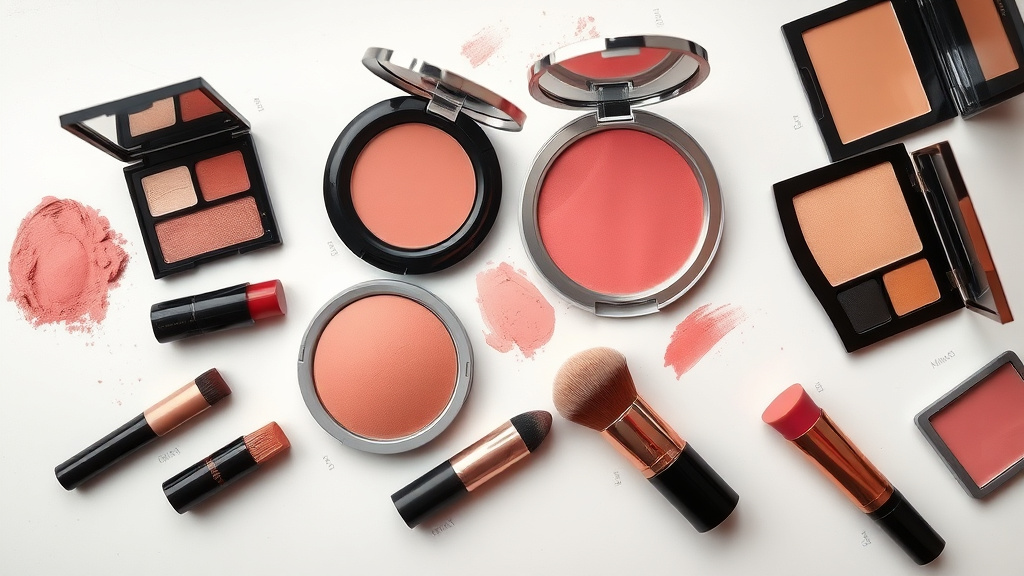
The journey of makeup shoppers comparing blush formulas and shades often feels straightforward until something goes wrong. Whether your blush looks patchy, fades quickly, or just doesn’t give the color you expected, troubleshooting these common problems can save your morning makeup routine and your investment in products.
Key takeaways
- Understanding the differences between cream, powder, gel, and liquid blushes helps in choosing the right formula for your skin type and lifestyle.
- Common issues like patchiness, fading, and incorrect color payoff often stem from application techniques or mismatched product formulas.
- Layering blush properly and prepping skin with the right base can drastically improve the wear and finish of your blush.
- Testing blush formulas in various lighting and with different application tools exposes potential pitfalls before committing to a purchase.
- Color correcting techniques can rescue a shade that initially looks off, while knowing when to switch formulas can resolve persistent issues.
Why Blush Formulas Matter: Cream vs. Powder vs. Gel vs. Liquid
In my experience testing dozens of blushes, the formula plays as much a role in your final look as the shade itself. If you’re comparing blush formulas and shades but neglect formula differences, you might blame the shade for issues caused by the product type.
- Powder blushes are classic, typically buildable and good for oily or combination skin. However, powders can emphasize dry patches or settle into texture if applied on flakey skin without proper moisturizing.
- Cream blushes offer a dewy finish and blend seamlessly on dry or mature skin but can slide off oily skin or under heavy sunscreen.
- Gel blushes are lightweight and refreshing, often with good wear but can be tricky to apply evenly without the right tools.
- Liquid blushes give vibrant color but need more blending skill to avoid streaks, especially if your skin barrier is uneven.
Choosing the right formula for your skin type and routine is the first troubleshooting step I recommend when comparing blush options.
Troubleshooting When Your Blush Doesn’t Look Right
Issue 1: Patchiness or Uneven Application
Patchy blush can happen no matter what formula you use. I often find this results from a lack of proper skin prep or applying blush over dry areas.
- Solution: Always moisturize and prime your skin before blush — even powder blush benefits from a hydrated base. For powders, lightly buff the product; for creams and liquids, use a damp sponge or clean fingers to sheer out the edges.
- Extra Tip: If you’re layering powder blush over cream or liquid, let the first layer set before blending to avoid unevenness.
Issue 2: Blush Fades Quickly or Disappears
Have you ever noticed your blush looking vibrant in the morning but gone within an hour? This is a frequent complaint linked to formula wear time and skin type.
- Solution: For oily skin, set cream or liquid blush with a translucent powder to prolong wear. With powder blushes, use a long-wear base or apply blush before foundation to help it “stick” better.
- Extra Tip: Avoid powdering your face too heavily after blush as it can dilute the color.
Issue 3: Blush Shade Looks Different on Skin Than Expected
Comparing blush formulas and shades can lead to surprises when the color on your cheek isn’t what the pan or bottle suggests.
- Why this happens: Lighting, skin undertone, and formula pigmentation affect color appearance. For example, a coral powder blush might look bright in-store but more muted once blended, whereas a cream may give a flush effect that’s more translucent.
- Solution: Test blush under natural light and consider your skin’s undertones when choosing shades. Cooler undertones typically suit pinks and plums, warm undertones thrive with peaches and corals, but testing is key.
- Extra Tip: Swatch on your cheekbone area, not just your hand, for a more realistic color match.
Issue 4: Blush Gets Patchy or Clings to Dry Spots During the Day
Sometimes your blush starts out great but becomes blotchy after a few hours. This often signals skin texture issues or formula compatibility.
- Solution: Exfoliate gently and keep skin well-moisturized. Avoid heavy powder on dry skin areas and opt for cream or liquid blush if dryness persists.
- Extra Tip: Reapply a small amount of cream or liquid blush mid-day instead of layering powder which may cake.
Comparing Popular Blush Formulas: Benefits and Drawbacks
| Formula Type | Best For | Application Tips | Limitations | Touch-Ups |
|---|---|---|---|---|
| Powder | Oily, combination skin | Use fluffy brush; build color gradually | Can look patchy on dry skin | Easy to layer and blend |
| Cream | Dry, mature skin | Use fingers or damp sponge | Can crease or slide on oily skin | Requires buffing or blending to refresh |
| Gel | All skin types, especially normal/combination | Use fingers or synthetic brush; blend quickly | May be tricky for beginners | Can be reactivated with water |
| Liquid | All skin types, longwear | Use fingers, sponges; blend fast | Prone to streaks, difficult to control with heavy-handed application | Best with a damp sponge to re-blend |
How to Compare Blush Shades Accurately in Store or Online
When makeup shoppers compare blush formulas and shades, picking the shade is as essential as the product type, but shade selection is notoriously difficult in store and online.
- In-store tips: Test blush on the cheekbone using natural light if possible instead of on your hand. In artificial store lighting, colors often appear warmer or cooler than they are.
- Online tips: Look for swatches on a variety of skin tones. Some brands now offer virtual try-on apps using augmented reality which can provide a better idea of how a blush shade will play with your unique undertones.
- Test products: Samples or mini sizes can be invaluable for testing formulas over your foundation and with your normal application tools.
Final Thoughts on Troubleshooting Your Blush with Confidence
Blush is a deceptively challenging product because it interacts closely with skin texture, tone, and the rest of your makeup base. Early on in my own testing journey, I learned that the right blush for me wasn’t just about shade or brand — it depended on skin prep, formula, and even the time of year (as dry or oily my skin gets).
My biggest advice when comparing blush formulas and shades for yourself: take it slow, test multiple formulas on your skin in natural light, and don’t get discouraged if your first few tries go patchy or fade quickly. Changes in your routine, tools, and layering techniques can make all the difference.
Related reading
- makeup shoppers comparing blush formulas and shades FAQ — honest answers
- makeup shoppers comparing blush formulas and shades
- makeup shoppers comparing blush formulas and shades setup walkthrough step
- Top makeup shoppers comparing blush formulas and shades brands we recommend
- makeup shoppers comparing blush formulas and shades seasonal buying guide and
FAQ
Why does my blush look patchy even though I applied it carefully?
Patchiness often relates to dry skin, lack of moisturizing or priming, or applying too much product without blending. Make sure to prep skin properly and blend with the right tools, especially for cream or liquid blushes.
How can I make my blush last all day?
Use a formula compatible with your skin type, set cream or liquid blush with a translucent powder if you have oily skin, and avoid adding thick powder layers on top. Layering blush before setting your face powder can also help it adhere better.
Is powder or cream blush better for oily skin?
Powder blush is generally better for oily skin as it absorbs excess oil and sets nicely. Cream blushes can slide if skin becomes too oily, but some long-wear formulas work well when set with powder.
Can I use the same blush shade year-round?
Skin tone and undertones can shift slightly with seasons or sun exposure, so keeping a few blush shades around for different times of the year is smart. For example, richer tones in fall/winter and more vibrant corals or pinks in spring/summer can flatter seasonal changes.
How do I choose the right blush shade for my skin tone?
Consider your skin’s undertone first: cool undertones generally harmonize with pink, berry, or plum blushes; warm undertones work well with peach, coral, and bronze shades. Always swatch directly on the face if possible and check in natural light to confirm the best match.