makeup shoppers comparing blush formulas and shades glossary — jargon explained plainly

By Editorial Team · Staff Writer
Published June 1, 2026 · Last reviewed June 1, 2026
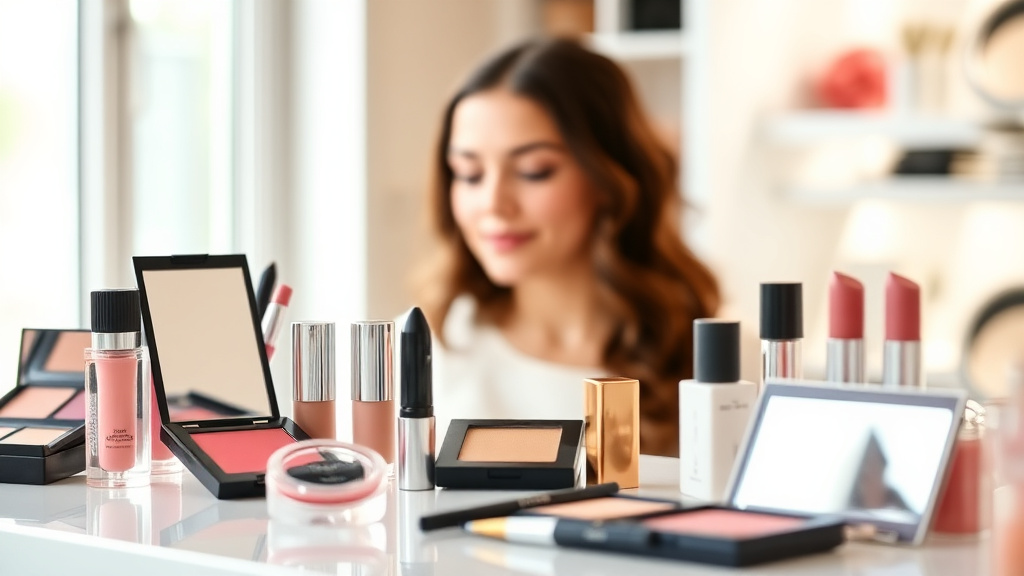
Makeup shoppers comparing blush formulas and shades often encounter confusing jargon that makes choosing the right product a challenge. Understanding the terms behind blush types, finishes, and undertones can help simplify your shopping experience and lead you to the perfect shade and formula for your skin and style.
Key takeaways
- Different blush formulas—powder, cream, gel, liquid, and stick—offer unique application experiences and finishes.
- Common shade descriptors (e.g., peachy, berry, coral) can indicate how a blush will complement various skin tones.
- Understanding blush undertones (warm, cool, neutral) helps match products to your complexion for a natural look.
- Finish terms like matte, satin, shimmer, and dewy affect how brightness and texture appear on the skin.
- Some jargon describes product behavior, such as “blendability” and “buildability,” which influence wear and versatility.
Why blush glossaries matter for makeup shoppers
When comparing blush products, I often see shoppers get overwhelmed by unfamiliar terms on packaging, reviews, and brand websites. Not knowing what “sheer buildable,” “creamy matte,” or “cool-toned berry” means can lead to guesswork and returns. Having a clear glossary of blush-related jargon empowers you to decode product details and make informed choices based on your preferences and skin tone.
Many brands use terms differently, so in some sections I’ll note common usage variations or when specific words may only apply to certain formula types.
Blush formulas explained
Understanding the formula type is the foundation for figuring out how a blush applies, wears, and suits your skin type.
Powder blush
Typically pressed powders, these blushes have dry powder pigments blended with binders and fillers. They are lightweight, easy to blend, and great for oily or combination skin since they add no extra moisture.
- Popular for matte and shimmer finishes.
- Some powders are finely milled for smoother application.
- Can be used with brushes or fingers.
- May look patchy if not applied properly or on dry skin.
Cream blush
These are emollient-based formulas with pigments suspended in a cream or gel-like base.
- Deliver dewy to satin finishes.
- Ideal for dry or mature skin types given their hydration.
- Often applied with fingers or dense brushes to blend seamlessly.
- Some formulas can feel heavy or may not last well on oily skin.
Gel blush
A hybrid formula combining liquid hydration with gel-like texture.
- Usually offers sheer, natural-looking color.
- Lightweight and refreshing on skin.
- Less common but rising in popularity.
- Can be tricky to build color as gels often sheer out.
Liquid blush
High-pigment drops or tints suspended in liquid bases (water or oil-based).
- Intense color payoff with sheer to medium coverage.
- Often buildable and blendable with beauty sponges or fingers.
- Tend to last long but require quick blending.
- May vary widely in finish from matte to glowing.
Stick blush
Solid sticks that blend into skin with fingers or brushes.
- Portable and convenient for on-the-go application.
- Usually cream-type formulas but in stick form.
- Offer buildable color with medium coverage.
- Some can feel heavy or difficult to spread smoothly.
Shade descriptions to guide your blush choices
Blush shades do not just have names but underlying colors and tones that interact with skin undertones. Here are common terms used by brands and shoppers to describe shades.
Peachy
- Contains warm, orange-yellow tones.
- Looks natural on warm and neutral skin tones.
- Adds a sun-kissed flush without too much pink.
Coral
- A deeper, pinky-orange tone.
- Vibrant but softer than true red.
- Flattering for medium to olive skin tones.
Pink
- Ranges from pale baby pink to bright bubblegum.
- Cool-leaning pinks suit cool undertones; warmer pinks (like rose) suit warm skin.
- Most classic blush shade.
Berry
- Deep red-purple or raspberry tones.
- Adds dimension and drama.
- Especially flattering on cool and neutral skin tones.
Mauve
- Dusty purple or rose shade.
- Good for neutral to cool undertones.
- Often more muted and sophisticated.
Red
- Pure red blush is intense and often used sparingly.
- Looks great on medium to deep skin tones.
- Gives a classic flush but needs careful blending.
Bronze or Terracotta
- Brownish-orange tones.
- Acts as blush and subtle contour.
- Warmer skin tones pull this off best.
Understanding undertones
Undertones are the subtle hues underneath your skin’s surface that influence how blush colors appear. Mistaking undertones is a common cause for blush mismatch.
- Warm undertones: Yellow, golden, or peachy hues under the skin. Warm pinks, corals, peaches, and terracottas complement well.
- Cool undertones: Pink, red, or blueish hues under the skin. Cooler pinks, berries, and mauves look balanced.
- Neutral undertones: A mix of warm and cool, meaning more flexibility in blush choices.
Some products are labeled “universal” or “neutral” to cater broadly, but matching undertones gives the most natural effect.
Finish and texture terminology
The finish affects how the blush looks under light and over time, influencing your overall makeup impression.
Matte
- No shine or shimmer.
- Gives a flat color, providing a modern or polished look.
- Good for oily skin types and long wear.
- Some matte creams or powders can be drying if not blended properly.
Satin
- A soft glow without sparkle.
- More natural and skin-like.
- Works well for most skin types and occasions.
Shimmer
- Contains fine glitter or luminous particles.
- Adds brightness and a radiant effect.
- Watch for shimmer if you have textured or dry skin as it can highlight imperfections.
Dewy or luminous
- Emulates natural skin glow.
- Hydrating formulas.
- Often found in cream, gel, or liquid blushes.
Practical terms in blush descriptions
When browsing or reading reviews, these terms pop up frequently as shorthand for expected product behavior.
- Buildability: Ability to layer color without patchiness or cakiness.
- Blendability: How easily the blush merges with skin and other makeup.
- Long-wearing: Indicates extended staying power.
- Pigmentation: Intensity of color payoff on first swipe.
- Sheer: Light wash of color; less intense.
- Opaque: Full coverage, strong color.
- Velvety: Smooth and silky texture, often used for powders and creams.
- Transfer-proof: Resists rubbing off onto clothes or skin.
These terms help prioritize what is most important for your routine—whether you want a bold, long-lasting blush or a delicate flush that’s easy to adjust throughout the day.
Comparison table: common blush formulas and their features
| Formula Type | Typical Finish | Best For Skin Type | Application Tools | Longevity | Notes |
|---|---|---|---|---|---|
| Powder | Matte, shimmer | Oily, combination | Brushes, fingers | Medium (4–6 hrs) | Easy to blend; can emphasize dryness |
| Cream | Satin, dewy | Dry, mature | Fingers, dense brushes | Medium (4–6 hrs) | Hydrating; may slide on oily skin |
| Gel | Dewy, sheer | All, especially oily | Fingers | Short–medium | Lightweight; less common |
| Liquid | Matte to luminous | All | Fingers, beauty sponge | Long (6–8+ hrs) | High pigmentation; quick blending needed |
| Stick | Satin, dewy | All | Fingers, brushes | Medium | Portable; buildable color |
Final thoughts on blush jargon and shopping strategy
Understanding this glossary lets you break down blush marketing speak and zero in on what will work best for you. I personally recommend testing in-store or ordering samples when possible because formulas can perform differently by brand, even with the same descriptive terms.
Be mindful of your skin type and undertones, and consider the finish and wear time that fit your lifestyle. If you’re switching formulas (e.g., from powder to cream), allow yourself a trial period to get used to new techniques.
Ultimately, glossaries are a helpful compass but not the full map—your own preference, comfort, and experimentation make the final call.
Related reading
- Best makeup shoppers comparing blush formulas and shades (2026 buyer’s guide)
- makeup shoppers comparing blush formulas and shades FAQ — honest answers
- makeup shoppers comparing blush formulas and shades setup walkthrough step
- makeup shoppers comparing blush formulas and shades
- First-time buyer checklist for makeup shoppers comparing blush formulas and
FAQ
What is the difference between powder and cream blush?
Powder blushes are dry and often easier to apply with brushes; they suit oily skin well. Cream blushes have a moist, emollient base that hydrates and blends nicely on dry or mature skin but can feel heavier and may wear off faster on oily skin.
How do I choose a blush shade for my skin tone?
Identify your undertone—warm, cool, or neutral—and pick blush colors that complement it. Warm undertones usually look great with peach and coral; cool undertones with pink and berry shades; neutrals can wear a wide range of colors.
What does “buildable” mean on a blush label?
Buildable means you can layer the product to increase color intensity without looking patchy or cakey, allowing more control from sheer to bold application.
Are matte blushes better than shimmer blushes?
Neither is objectively better; it depends on your skin and preference. Matte blushes control shine and last longer, while shimmer blushes add radiance and glow but may highlight texture. Choose based on desired finish and skin concerns.
Can I mix blush formulas for my look?
Yes. Some makeup artists use a liquid or cream blush as a base for a dewy glow, then set with powder blush to enhance longevity. Mixing requires blending skills but can offer customized finishes.