makeup shoppers comparing blush formulas and shades: premium vs budget — what actually matters

By Editorial Team · Staff Writer
Published June 1, 2026 · Last reviewed June 1, 2026
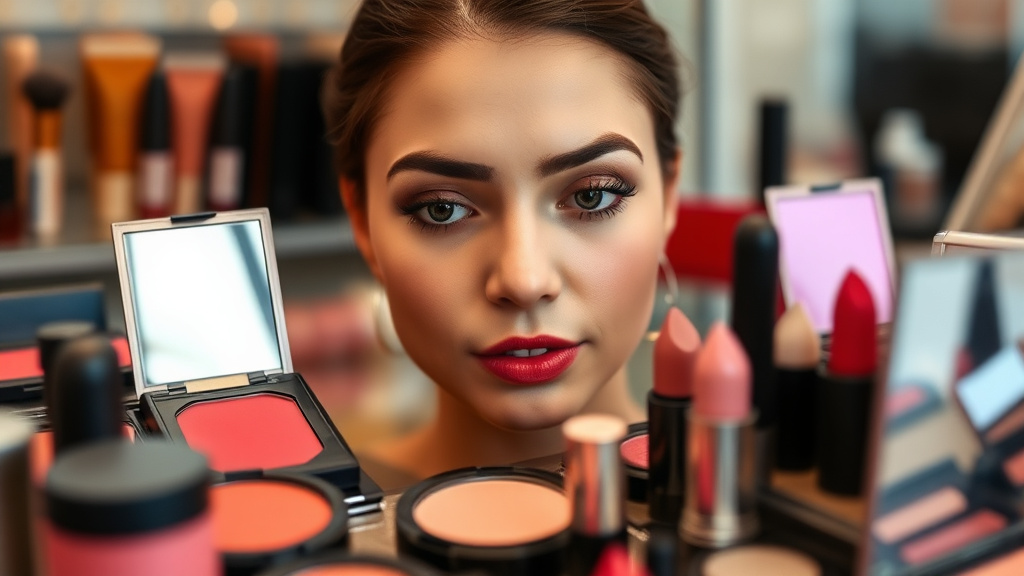
Makeup shoppers comparing blush formulas and shades often wonder if paying more really makes a difference in quality and wearability. Premium vs budget blushes both promise beautiful color payoff, but what actually matters when you choose one over the other?
Key takeaways
- Blush formula type (powder, cream, gel) influences application and finish more than price alone.
- Color payoff, blendability, and longevity vary widely within both budget and premium options.
- Skin type and undertones are critical factors in shade selection, sometimes outweighing brand prestige.
- Packaging and ingredients can justify higher costs for premium blushes but don’t guarantee better performance.
- Personal preference for finish and ease of use often guides the best blush choice more than price tags.
Understanding Blush Formulas: Powder, Cream, and Gel
When evaluating blush options, formula differences are more apparent to me than price differences at first glance. Powder blushes tend to dominate the budget category because they are cost-effective to produce and easy to retail. They come in pressed or loose forms and typically provide buildable matte to satin finishes.
Premium powder blushes often have more finely milled pigments and added skin-nourishing ingredients, which can result in a smoother application and more natural-looking glow. For example, the NARS Blush line is known for its silky texture and blendability, often labeled as a benchmark by makeup enthusiasts.
Cream blushes feel more hydrated and spreadable upon application, making them popular for dry skin or users who prefer a dewy finish. Both budget and premium brands have cream formulas, though premium options like Glossier Cloud Paint include more hydrating components and packaging that preserves formula freshness.
Gel blushes occupy a smaller niche but offer an extremely natural “skin-like” flush. They often come in tubes or pots and sometimes require fingertip application. Budget gel blushes exist, but premium versions usually lock in moisture better and avoid cakey buildup, such as Milk Makeup Lip + Cheek products.
My experience shows that the choice between powder, cream, or gel impacts how the blush interacts with the skin and the kind of finish achievable, typically more than the price point.
Shade Selection: Going Beyond Budget or Premium Labels
When it comes to blush shades, neither premium nor budget blushes have a monopoly on flattering colors. The most important factor for a shade is matching your skin undertone and overall complexion rather than simply matching an expensive or budget label.
For cool undertones, I recommend blush shades with blue or pink bases, such as cooler pinks or rose hues. Warm undertones often look best with peach, coral, or apricot shades. Some neutral undertones can wear both but might lean towards soft mauves or bronzed pinks.
Many budget brands like e.l.f. Cosmetics and Milani offer surprisingly well-curated blush palettes with shades that cover these undertones effectively. Premium brands like Hourglass and Charlotte Tilbury provide more complex shade ranges with customizable layering options but often at a higher price.
The intensity of pigmentation is another consideration: premium blushes often have richer pigment concentration requiring lighter application, whereas budget blushes can sometimes weakly deposit color, requiring multiple layers to build up. However, this can also mean budget blushes are a safer bet for beginners or those who prefer subtle flushes.
Wear and Longevity: Is Price an Indicator?
One of the most frequent questions I get from blush shoppers is whether premium blushes last longer than budget options.
In my tests under various conditions—humidity, skin oils, and all-day wear—the longevity of blush depends on formula stability rather than price alone. Some budget powder blushes with good ingredients and pigment concentration can last upwards of 6-8 hours.
Premium blushes sometimes incorporate long-wear technology or fixatives, but these effects are often subtle. For example, Tarte Amazonian Clay 12-Hour Blush is known for impressive staying power, justified by its specific formula.
Cream and gel blushes can wear off more quickly than powders if skin produces excess oil or sweat, especially budget varieties without added adhesives. Using a foundation or primer suited to your skin type can also markedly improve blush longevity regardless of price.
Overall, longevity differences exist, but many budget blushes function well for daily wear, especially when layered over the right base.
Packaging and Ingredient Transparency
Premium blushes frequently come housed in more elaborate and sturdy packaging, which can influence the user experience and encourage longer product life. Luxury brands might use heavier compacts with mirrors and magnetic closures, while budget blushes often feature simpler plastic containers.
Ingredients can be a key differentiator. Premium brands may use more natural extracts, antioxidants, or hydrating agents to justify cost and appeal to skincare-conscious beauty buyers. Conversely, budget products might use more fillers or synthetic pigments but can still be fragrance and paraben-free.
As someone who values ingredient transparency, I always read labels carefully. Some budget blushes compete by offering cruelty-free, vegan, or environmentally friendly formulations, but they may not always have the same level of skin-conditioning agents found in pricier options.
Ultimately, packaging and ingredients justify premium pricing for some shoppers, especially if they value ethical sourcing or specific skincare benefits.
Makeup Shopper Priorities: What Actually Matters?
From my experience, when makeup shoppers compare blush formulas and shades, several priorities surface regardless of price tier:
- Application preference: Cream and gel are generally easier to blend with fingers; powders often require brushes and some technique.
- Skin compatibility: Dry vs oily skin responds differently to blush types; powder can cling to dry patches, while cream/gel might break down on oily zones.
- Shade suitability: Undertone awareness beats brand prestige.
- Longevity needs: Long-wear formulas are helpful for busy days but not essential at home or casual wear.
- Budget constraints: It’s possible to find excellent performing blushes at lower price points, especially if you test product swatches in person.
I recommend shopping with an open mind and not assuming you must spend more for a quality blush. Small personal trials and paying attention to how the formula feels on your skin usually lead to better choices than price alone.
Comparison Table: Premium vs Budget Blushes by Critical Factors
| Factor | Premium Blush | Budget Blush | What I Observed |
|---|---|---|---|
| Formula Quality | Fine-milled powder, enriched creams, and gels with skincare benefits | Basic powders and simple cream formulas | Premium offers smoother blends; many budget perform well |
| Shade Range | Sophisticated, offers layering and complex shades | Good range, often classic pinks, corals | Shade accuracy similar; undertone match critical |
| Pigmentation | Highly pigmented, needs light application | Varies widely; some sheer, some pigmented | Some budget blushes are too sheer or patchy, but exceptions exist |
| Longevity | Often 8+ hours with fixatives | 4-6 hours typical, some exceptions | Primer/base technique affects wear more than price |
| Packaging | Luxury compacts, mirrors, sturdy | Plastic, minimalistic | Premium packaging feels nicer but does not improve performance |
| Price Range | $30-$50+ | $5-$15 | Budget blush offers value for many skin tones and finishes |
Related reading
- makeup shoppers comparing blush formulas and shades: budget vs premium — what
- Best makeup shoppers comparing blush formulas and shades under $100 — budget
- makeup shoppers comparing blush formulas and shades
- makeup shoppers comparing blush formulas and shades brands we recommend vs
- makeup shoppers comparing blush formulas and shades setup walkthrough step
FAQ
Are premium blushes worth the higher price?
Premium blushes can offer a smoother application, longer wear, and more innovative formulations. However, I’ve found many budget options perform well and deliver attractive shades, so paying more is often a matter of personal preference and specific ingredient or packaging priorities.
Can budget blushes match the pigmentation of premium ones?
Some budget blushes provide excellent pigmentation similar to premium brands, though many are more sheer and require layering. Testing swatches in-store or reading detailed reviews helps identify these standouts.
Is cream or powder blush better for oily skin?
Powder blushes are generally better suited for oily skin as they absorb oils and tend to last longer. Cream and gel blushes can slide off skin with excess oil unless set with powder or used with a mattifying primer.
How do I pick the best blush shade for my skin?
Focus on your undertone: cool undertones look best with pink or berry shades, warm undertones suit peach and coral, and neutral undertones have more flexibility. Swatching and seeing how the color looks in natural light helps avoid costly shade mistakes.
Does packaging affect blush quality?
Packaging mostly affects product protection and user experience rather than the blush formula quality. Premium packaging can add convenience and reduce breakage but doesn’t guarantee better color payoff or wear.
Choosing between premium and budget blushes depends largely on what you value most—whether that’s packaging, formula feel, ingredient list, or color range. For many makeup shoppers, correctly matching formula type and shade to their skin needs will have a bigger impact than brand or price. From experience, trying before buying and focusing on personal skin compatibility will always serve makeup enthusiasts better than relying on price tier alone.