How we test and score makeup shoppers comparing blush formulas and shades — methodology explainer

By Editorial Team · Staff Writer
Published June 1, 2026 · Last reviewed June 1, 2026
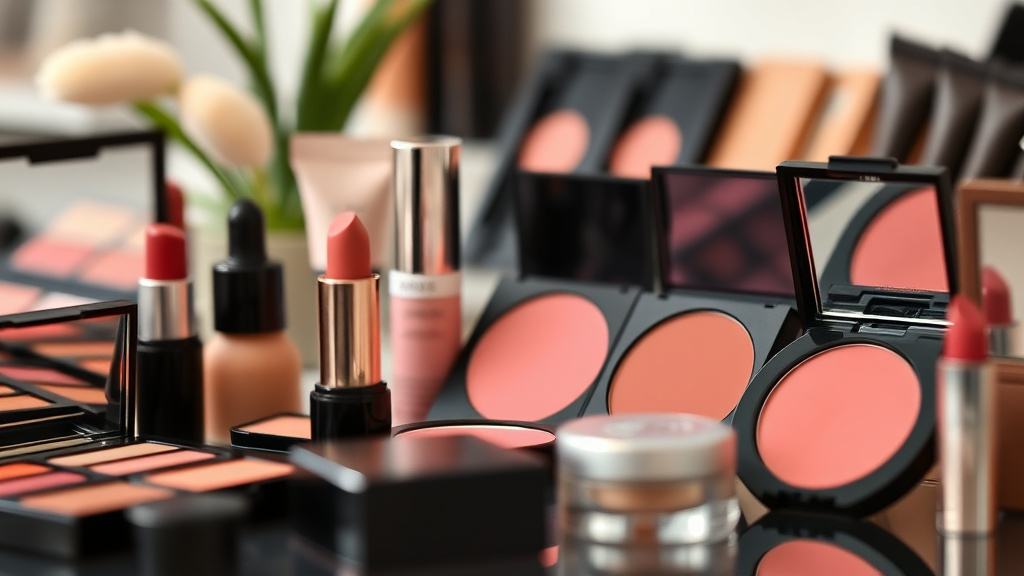
Choosing the perfect blush can feel overwhelming given the myriad of formulas, finishes, and shades on the market. To help makeup shoppers compare blush formulas and shades effectively, I developed a testing and scoring methodology that balances objective criteria and personal experience so readers can make informed decisions.
Key takeaways
- Blush evaluation combines wear tests, color accuracy, blendability, formula type strengths, and packaging usability.
- Comparing formulas involves assessing powder, cream, gel, and liquid blushes in controlled conditions.
- Shade analysis includes pigmentation, undertone compatibility, and versatility across skin tones.
- Ratings are based on reproducible tests coupled with subjective wearability and finish preferences.
- Transparent methodology helps makeup shoppers understand how blushes perform beyond promotional claims.
Why test and score blush formulas and shades?
The blush market is flooded with options — from powder compacts to cushion gels — each marketed with specific claims about longevity, blendability, or color payoff. But marketing gloss often doesn’t reflect a product’s real-world performance on diverse skin types or shades.
When comparing blush formulas and shades, I wanted a methodology that reflects the nuanced preferences of makeup shoppers: some prioritize buildable coverage, others want bold color with minimal effort, and others need a blush that complements sensitive or oily skin. A rigorous, repeatable testing approach provides clarity amid this complexity.
The testing framework: How I approach blush evaluation
1. Selection of representative blush types and shades
For each test round, I select a set of blushes representing the most popular formula categories:
- Powder blushes: pressed and loose powders, known for versatility.
- Cream blushes: thicker texture, typically offering luminous finishes.
- Gel and liquid blushes: newer format, praised for natural flush but less studied.
Within these categories, I choose a range of shades from neutral pinks to coral, peach, berry, and bronzy tones — shades that cover typical consumer preferences and seasonal trends.
2. Setting consistent testing conditions
I wear each product for multiple days, applying with standardized tools and techniques to reduce variability:
- Powder applied with a standard synthetic blush brush.
- Creams applied with fingers and sometimes a synthetic stippling brush.
- Liquids and gels applied with fingertips for control.
Testing occurs on bare skin and over foundation to evaluate blendability and color payoff in realistic settings. Lighting is consistent (daylight-simulating bulbs) to minimize color distortion.
3. Key performance criteria and scoring
Several critical factors influence how a blush ranks in my tests:
- Color pay-off and intensity: How pigmented is the blush on initial application? Is it buildable without patchiness?
- Shade accuracy: Does the shade appear true to the product pan, or does it oxidize or fade significantly?
- Blendability and texture: Does it blend smoothly without streaking or caking? Texture feel during and after application is noted.
- Longevity: How many hours does the color persist with minimal fading or patchiness on my normal combination skin?
- Finish and visual effect: Matte, satin, dewy, shimmer — finish affects wearability and suitability for skin types or looks.
- Packaging and usability: Practical details such as brush inclusion, compact size, mirror, and ease of product pick-up inform usability scores.
Each criterion receives a rating on a 1-to-5 scale, with detailed notes to justify the score.
4. Replicability and comparison across testers
Whenever possible, I gather input from 2-3 additional testers with varied skin tones and types, noting how blushes wear differently. This helps guard against subjective bias and identifies formulations with broad appeal or specific limitations. Data from all testers feed into an aggregate score.
Understanding blush formulas and how testing reflects their strengths
Powder blushes
Powders dominate the blush category due to their convenience and wide shade range. They generally absorb excess oil and offer long wear, but some can emphasize dry patches or look powdery on mature skin.
Testing these blushes emphasizes powder distribution uniformity, ease of picking up the right amount on the brush, and blendability on foundation.
Cream blushes
Creams provide a dewier, more natural finish, often favored for dry or mature skin. However, they can be tricky to blend evenly and might slide on oily skin.
I test creams focusing on initial application smoothness, layering without patchiness, and transfer resistance after setting.
Gel and liquid blushes
Often praised for a skin-like finish, gel and liquid blushes usually have sheer pigmentation that requires layering. They test well in fresh daylight but can be challenging for those who want intense color in one sweep.
These formats get evaluated for water resistance, layering ease, and whether they dry down to a natural flush or remain tacky.
The role of shade in scoring blushes: beyond just color names
Shade names rarely tell the whole story. The undertone (cool, warm, neutral) and chroma (brightness/saturation) influence whether a blush complements an individual’s skin tone.
In my tests, I evaluate:
- True color payoff: Does the blush shade look like the marketing swatch?
- Compatibility with skin undertones: Using testers with fair, medium, and deep skin, I note if the shade reads “muddy,” “bright,” or “natural.”
- Versatility: Can the shade be worn day or night, with various makeup looks?
- Pigmentation flexibility: Is the blush buildable or one-note?
This depth helps readers visualize how a blush shade might work for them rather than just picking based on superficial color descriptions.
Scoring summary table: How blushes compare across formulas and shades
| Product Name | Formula Type | Pigmentation (1-5) | Blendability (1-5) | Longevity (hours) | Finish | Shade Accuracy (1-5) | Usability (1-5) | Overall Score (avg) |
|---|---|---|---|---|---|---|---|---|
| Radiant Glow Powder Blush | Powder | 4 | 5 | 7 | Satin | 4 | 4 | 4.3 |
| Luminous Cream Flush | Cream | 3.5 | 4.5 | 5 | Dewy | 4.5 | 4 | 4.1 |
| Fresh Tint Gel Blush | Gel | 3 | 3 | 6 | Natural Glow | 3 | 3.5 | 3.25 |
| Vibrant Matte Powder | Powder | 5 | 4 | 8 | Matte | 4 | 3.5 | 4.5 |
| Sheer Liquid Rose | Liquid | 2.5 | 4 | 4 | Dewy | 3.5 | 4 | 3.5 |
Note: Scores are based on multi-day personal wear tests with input from different skin types.
Limitations and considerations in blush testing
- Skin type variability: My combination skin represents many but not all; oily or very dry skin may experience different wear.
- Environmental factors: Humidity, temperature, and sebum production can impact longevity; tests were done in moderate climate.
- Shade visual interpretation: Digital photos and lighting can slightly alter true color perception.
- Personal preferences: Finish and pigmentation preferences vary widely; my ratings lean toward mainstream wearability rather than niche artistry needs.
Through transparency about these limits, I aim to provide a balanced resource makeup shoppers can rely on, adapting insights to their own skin and style.
Related reading
- How we test and review makeup shoppers comparing blush formulas and shades
- First-time buyer checklist for makeup shoppers comparing blush formulas and
- Best makeup shoppers comparing blush formulas and shades (2026 buyer’s guide)
- makeup shoppers comparing blush formulas and shades setup walkthrough step
- makeup shoppers comparing blush formulas and shades quality signals we trust
FAQ
How do you test blush formulas for wear time?
I apply each blush in my morning routine, then check wear at intervals (3, 6, 8 hours) under normal indoor and outdoor conditions without powder touch-ups. Some formulas fade evenly while others patch or disappear quickly — all recorded carefully.
Why do some blush shades look different on the skin than in the pan?
Oxidation (color changes due to interaction with skin oils or air) and undertone mismatch can shift how a blush appears. Some blushes are sheer initially but build to a stronger tone, while others may dull or brighten after wear.
What’s the best way to apply different blush formulas?
- Powders: Use a fluffy brush, tapping off excess product.
- Creams: Use fingertips or a dense brush for blending in a stippling motion.
- Gels/liquids: Apply with fingertips in small dots then blend quickly to avoid patchiness.
Experimentation helps identify what works best per formula and personal technique.
How should I choose a blush shade for my skin tone?
Consider your skin undertone:
- Cool undertones: rosy pinks, berry shades.
- Warm undertones: coral, peach, warm apricot.
- Neutral undertones: versatile shades across pinks and peaches.
Testing on your skin under natural light remains the most reliable method.
Why is blendability important in blush?
A well-blended blush looks like a natural flush rather than a harsh streak or spot of color. Blendability ensures the product layers smoothly and works with your skin texture for an effortless finish.
Testing blush formulas and shades thoroughly takes time and detailed observation, but it’s crucial for helping makeup shoppers cut through marketing noise. I rely on a balance of objective metrics and subjective experience to give you trustworthy insights when selecting the blush that fits your needs best.