makeup shoppers comparing blush formulas and shades

By Editorial Team · Staff Writer
Published June 1, 2026 · Last reviewed June 1, 2026
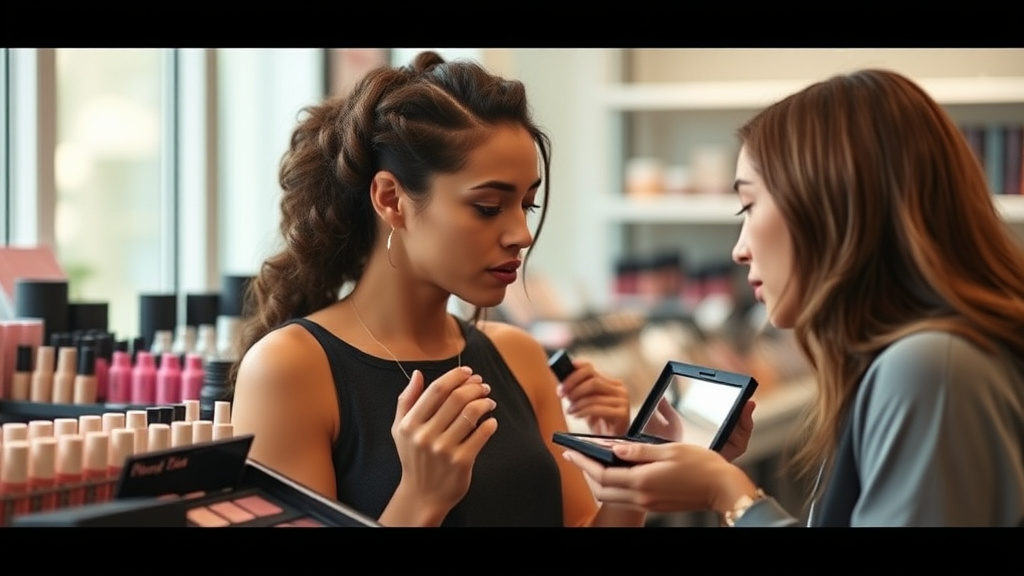
Comparing blush formulas and shades is one of the trickiest but most rewarding tasks for makeup shoppers seeking the perfect flush. The right blush can bring warmth, dimension, and glow to your complexion—but with cream, powder, gel, and liquid options in countless hues, knowing what suits your skin type and tone is key.
Key takeaways
- Blush formulas differ significantly in texture, finish, longevity, and application technique, impacting overall wear and effect.
- Skin type (oily, dry, combination) influences which formula performs best without patchiness or fading.
- Shade choice should complement your undertones—warm, cool, or neutral—to enhance your natural coloring.
- Powder blushes excel in buildability and longevity for oily skin, while cream and gel formulas provide natural, dewy finishes ideal for dry skin.
- Testing blush on clean skin and under foundation can reveal true performance and color payoff before purchase.
Understanding Blush Formulas: Powder, Cream, Gel, and Liquid
As someone who has tested dozens of blushes under varied lighting and skin conditions, I can confidently say that picking between powder, cream, gel, and liquid formulas really comes down to your skin type, desired finish, and ease of use.
Powder Blush
Powder blushes are the most classic and widely available option. They usually come in pressed pans and offer good pigmentation and buildability. Shoppers with oily or combination skin tend to prefer powders for their shine-absorbing properties and matte to satin finishes. Brands like NARS and MAC deliver powders with finely milled pigments that blend easily and layer without caking.
However, powder blushes can sometimes emphasize dry patches or look powdery on dry skin. Plus, they may require more precise blending tools to avoid harsh edges.
Cream Blush
Cream blushes have surged in popularity for their natural, dewy finish. I noticed that creamy textures tend to meld into skin better, especially if you have dry or mature skin. They often come in compacts or pots and are best applied with fingers or a dense brush.
The downside? Cream formulas usually have less staying power on oily skin and can transfer unless set with a light dusting of powder. Glossier Cloud Paint and Milani Baked Blush are excellent starting points if you want that fresh, skin-like glow.
Gel Blush
Gel blush is a hybrid formula offering both the blendability of cream and the fresh finish of liquid products. These blushes usually blur the line between skincare and makeup, sometimes providing added hydration. Their translucent tint means you’ll need to build up the color, which can be a plus or minus depending on your preference.
I found that gel blushes work well on normal to dry skin but can feel sticky or non-blendable if the product is too thick. Rare Beauty Soft Pinch Liquid Blush, though technically liquid, showcases many gel blush benefits with its smooth texture.
Liquid Blush
Liquid blushes come in tubes or bottles with applicators and deliver intense pigmentation with a sheer, luminous finish. They blend seamlessly into skin if applied quickly and patted in with fingers or a sponge. This formula is fantastic for creating a “lit from within” look and works well under powder for added longevity.
However, liquid blush can be tricky on oily skin if not set properly, and it’s easier to over-apply or streak if you’re inexperienced. Some of my favorites here are the Stila Convertible Color and Benefit Cheekleaders Liquid Blush.
Matching Blush Shades to Your Undertone
Determining your undertone is crucial for matching blush shade to your overall complexion. Through trial and testing, I’ve noticed that certain blush colors harmonize better with cool, warm, or neutral undertones to look natural and flattering.
- Cool undertones (pink, red, or blue-ish hues in skin): Lean towards berry, rose, mauve, or lavender blushes.
- Warm undertones (yellow, peachy, golden hues): Opt for apricot, coral, warm peach, or terracotta shades.
- Neutral undertones (a balance of cool and warm): Can typically wear a versatile range from soft pinks to warm peaches.
Trying blush swatches against the jawline or cheekbones in natural light can confirm the right undertone match before investing. Beware of shades that look ashy or too bright—they’re usually off matches to your undertone.
Longevity and Wear: How Formulas Perform on Different Skin Types
Longevity is often a top priority but varies widely based on skin type and formula. I tested blushes across oily, dry, and combination skin types and found these patterns helpful:
| Formula | Skin Type Recommendation | Wear Time | Notes |
|---|---|---|---|
| Powder | Oily, combination | 6–8 hours | Excellent oil absorption; may fade on dry skin |
| Cream | Dry, mature | 4–6 hours | Blends well, looks natural; can slide off oily skin if unset |
| Gel | Normal, dry | 5–7 hours | Hydrating and fresh; can feel tacky if over-applied |
| Liquid | Dry, normal | 5–8 hours | Intense color, natural finish; needs setting on oily skin |
To extend wear, layering formulas works well—cream or liquid blush under powder sets the color and improves staying power. Setting sprays and primers suited to your skin also influence how blush performs across the day.
Application Tips for Different Blush Formulas
Each formula shines when applied with the right techniques and tools.
- Powder: Use a fluffy, angled blush brush. Tap off excess powder before sweeping cheeks and blend in circular motions.
- Cream: Warm product on fingertips and gently tap into skin or use a dense brush to buff in. Build color gradually.
- Gel: Apply small dots with fingers, then blend quickly before the product sets.
- Liquid: Use the applicator to place dots on cheeks; blend immediately with fingers or a damp sponge.
For buildable application, always start with less product than you think you need and increase gradually. This prevents patchiness, streaks, and overblown color.
Blush Shade Swatches and Popular Recommendations
To help you compare, here’s a brief list of blushes that represent varied formulas and universally flattering shades for different undertones:
| Product Name | Formula | Shade Type | Best For Skin Type | Notable Feature |
|---|---|---|---|---|
| NARS Orgasm Blush | Powder | Peachy pink with gold shimmer | Oily, combination | Iconic glow, buildable pigment |
| Glossier Cloud Paint | Cream | Soft coral, multiple shades | Dry, normal | Sheer, blendable tint |
| Rare Beauty Soft Pinch | Gel/Liquid | Berry, peach, rose shades | Normal, dry | Lightweight, skin-like finish |
| Milani Baked Blush | Cream/ Powder hybrid | Warm peach, coral | Dry, combo | Radiant finish, multi-use |
| Benefit Georgia | Powder | Warm peach | Oily, neutral | Matte finish, natural flush |
Related reading
- makeup shoppers comparing blush formulas and shades: premium vs budget — what
- Best makeup shoppers comparing blush formulas and shades (2026 buyer’s guide)
- makeup shoppers comparing blush formulas and shades setup walkthrough step
- Best makeup shoppers comparing blush formulas and shades under $100 — budget
- makeup shoppers comparing blush formulas and shades: budget vs premium — what
FAQ
What blush formula is best for oily skin?
Powder blushes typically perform best for oily skin because they help absorb excess oil and maintain color integrity. Setting cream or liquid blushes with translucent powder can also extend wear for oily skin types.
Can I wear cream blush if I have mature skin?
Yes! Cream blushes are often ideal for mature skin because their moisturizing texture creates a dewy, youthful finish without settling into fine lines like powders sometimes do.
How do I choose a blush shade for a medium skin tone?
For medium skin tones, choosing blush shades with warm peach, coral, or berry undertones tends to enhance your natural warmth. Test swatches in natural light and pick colors that feel like a sheer flush rather than overpowering pigments.
Is it okay to layer different blush formulas?
Definitely. Many makeup artists and beauty editors build dimension by layering liquid or cream blushes under powders. This method boosts longevity and creates a more natural, blended look.
How can I prevent blush from looking patchy?
Patchiness usually stems from incorrect blending or applying blush to dry/flaky skin. Prep your skin with moisturizer, use appropriate brushes or fingers depending on formula, and build color slowly while blending well.
Choosing the right blush formula and shade takes some experimentation and consideration of your skin’s unique characteristics. By focusing on texture, wear, and undertones, you can select a blush that elevates your makeup routine naturally and effortlessly.