First-time buyer checklist for makeup shoppers comparing blush formulas and shades

By Editorial Team · Staff Writer
Published June 1, 2026 · Last reviewed June 1, 2026
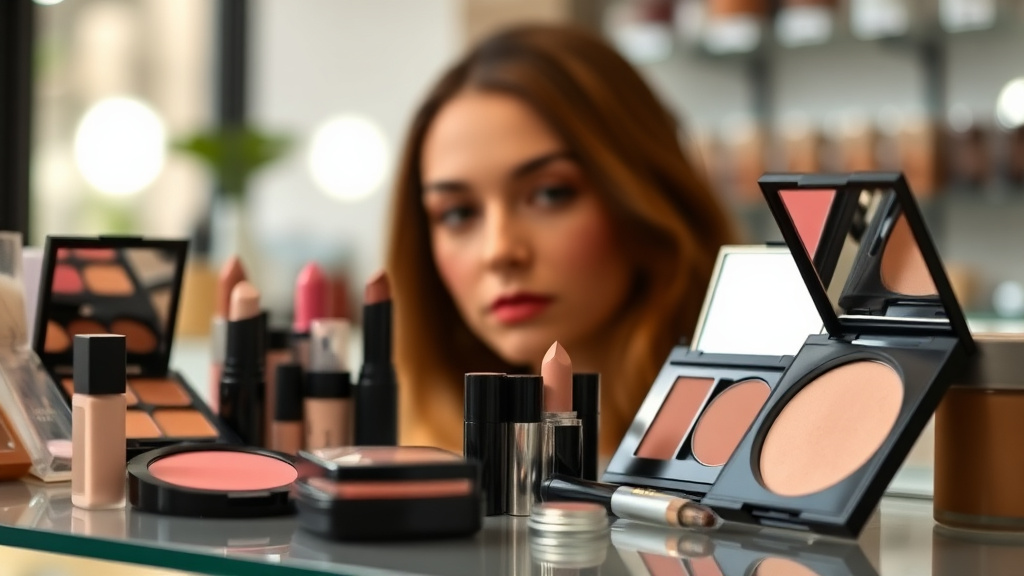
Buying blush for the first time can feel overwhelming given the variety of formulas and shades available. This first-time buyer checklist for makeup shoppers comparing blush formulas and shades breaks down the essentials you need to consider before making your purchase.
Key takeaways
- Blush formulas come in powders, creams, gels, and liquids, each suited to different skin types and finish preferences.
- Shade selection should complement your skin tone, undertone, and desired look—peach, rose, mauve, and berry are popular starting points.
- Test blushes in natural light and on clean skin to judge true color and blendability.
- Consider wear time, buildability, and ease of application based on your makeup routine and skill level.
- Packaging type and product longevity also influence value and convenience for beginners.
Understanding Blush Formulas: Which One Suits You?
Blush formulas generally fall into four main categories: powder, cream, gel, and liquid. Each behaves differently on the skin, and I’ve found your skin type can be a helpful guide in narrowing the options.
Powder Blush
Powder blush is the most common and beginner-friendly option. It usually comes in a compact and can be matte or shimmer. I gravitate towards powder blushes for their versatility and ease of blending with brushes. They work best on normal to oily skin types because powders help absorb excess oil and set quickly. However, dry skin types might find powders emphasize flakiness unless a moisturizing primer or setting spray is used.
Cream Blush
Cream blushes have a dewier finish and tend to blend beautifully into the skin. They’re great for dry or mature skin because they add a natural, hydrated glow. I often test cream blushes on my cheeks’ apples, tapping with fingertips for a quick, seamless application. But they’re a bit trickier for beginners to layer without patchiness, and oily skin types may feel they slide off faster.
Gel Blush
Gel formulas are less common but offer a fresh, lightweight feel with a slightly dewy finish. They usually sit between cream and liquid blushes in texture. I’ve found gel blushes blend nicely but have medium staying power, so touching up may be necessary during long days or in humid climates.
Liquid Blush
Liquid blushes are intense and provide a very natural, flushed effect once blended well. For a first-timer, they can be intimidating because mistakes aren’t easily corrected without a full face wipe and reapplication. However, they are excellent for layering under powder products or mixing with foundation for a custom tint.
How to Choose the Right Blush Shade for Your Skin Tone
Blush shade selection can dramatically impact your overall makeup look and how healthy your complexion appears. Skin tone and undertone play crucial roles.
- Fair skin tones: Opt for soft pinks, peaches, or light corals to add just a hint of color without overwhelming.
- Medium skin tones: Vibrant peaches, warm pinks, and coral shades work beautifully here, complementing natural warmth.
- Olive skin tones: Rose, terracotta, and deeper peach shades enhance olive undertones nicely.
- Deep skin tones: Bold berries, plums, and deep reds create flattering contrast and prevent the blush from disappearing against the skin.
To identify your undertone, which influences how a blush shade looks on you, check your wrist veins: blue or purple suggests cool undertones; green suggests warm; a mix usually means neutral. Cooler undertones look better with pink-based blushes, while warmer undertones pair well with peach and apricot shades.
When trying shades, always swatch on your face or jawline in natural daylight rather than on your hand. Skin on the face has a unique texture and coloration that makes swatches more representative.
Evaluating Blush Longevity and Buildability
Wear time varies considerably by formula and brand. When comparing blushes, I run a simple test:
- Apply a small amount on the apple of your cheek.
- Check how it looks after one, three, and six hours.
- Note if it fades unevenly, disappears completely, or becomes patchy.
Powder blushes generally have longer wear times, especially when set with a finishing powder or spray. Creams and liquids require layering with other makeup products or setting techniques to last as long.
Buildability refers to how well a blush’s pigment can be intensified without looking cakey or unnatural. For beginners, a blush that builds easily (such as most powders and some cream blushes) is preferable since you can start light and add more gradually.
Testing Blush in Store: What to Look For
Trying blush in person before buying is ideal but not always feasible. Here are steps that I recommend:
- Apply to clean, moisturized skin: Avoid evaluating over foundation or powder as it changes the finish and color.
- Sit by natural window light: Overhead or fluorescent lighting can distort colors and textures. Natural light shows true shade and blendability.
- Patch test for irritation: If you have sensitive skin, try a tiny spot behind your ear or on your wrist to avoid allergic reactions.
- Use fingers or a clean brush: Experiment with your typical application tools rather than store’s sponges, which often waste product and give an inaccurate sense of blendability.
- Wear for a few hours if possible: If testers are available at your home or sample sets, test wear time throughout your day.
Packaging and Practical Considerations for First-Time Buyers
Packaging impacts the travel-friendliness, hygiene, and ease of use of your blush. Beginners should keep these factors in mind:
| Factor | What to Look For | Why It Matters |
|---|---|---|
| Compact Size | Portable, fits in your makeup bag | Convenience for touch-ups |
| Applicator Included | Sponge or brush included | Helpful if you don’t own blush tools |
| Mirror | Built-in mirror | Useful for on-the-go applications |
| Product Stability | Sturdy container, not prone to breakage | Avoids messy spills and damage |
| Hygiene | Twist-up, pump, or retractable tubes | Reduces cross-contamination |
Cream and liquid blushes often come in tubes, pots, or tubes with pumps. I recommend tubes with a stopper or pump for controlled usage and less contamination.
Comparison Checklist: Blush Formulas and Shades for First-Time Buyers
| Feature | Powder Blush | Cream Blush | Gel Blush | Liquid Blush |
|---|---|---|---|---|
| Skin Type | Normal to oily | Dry or mature | Normal, combination | All, but careful on oily skin |
| Finish | Matte or shimmer | Dewy, natural | Dewy, fresh | Natural flush |
| Application Ease | Easy with brush | Medium, needs finger blending | Medium, use fingers or brush | Harder, requires blending |
| Buildability | High | Medium | Medium | High but tricky |
| Longevity | Long-lasting with setting | Moderate | Moderate | Moderate to long with primer |
| Portable Packaging | Usually with mirror & brush | Pots or compacts | Pots or tubes | Tubes or dropper bottles |
| Shade Range | Wide | Decent | Limited | Limited |
Related reading
- makeup shoppers comparing blush formulas and shades setup walkthrough step
- Best makeup shoppers comparing blush formulas and shades under $100 — budget
- Top makeup shoppers comparing blush formulas and shades brands we recommend
- makeup shoppers comparing blush formulas and shades brands we recommend vs
- Best makeup shoppers comparing blush formulas and shades (2026 buyer’s guide)
FAQ
What blush formula is best for combination skin?
Combination skin can be tricky since it ranges from oily to dry. I typically suggest starting with powder blushes for their versatility and easy blending while avoiding overly creamy formulas that might slide off oily areas. Gel blushes can be good too if you like a natural finish but monitor wear time.
How do I know if a blush shade matches my undertone?
The simplest test is vein color: blue or purple veins indicate cool undertones (look for pink blusher shades), green veins suggest warm undertones (peach and coral shades), and a mix points to a neutral tone (you have more flexibility). Testing on your cheeks in natural light helps confirm what looks best.
Can I use the same blush in summer and winter?
Yes, but you might want to adjust the shade intensity slightly. In summer, lighter or brighter shades like peach or coral can complement your skin’s natural tan, while in winter, deeper or rosier hues may add warmth back to paler skin.
Is cream or powder blush easier for beginners?
In my experience, powder blushes are generally easier for first-timers because they allow gradual build-up and blend well with a brush. Cream blushes require fingertip blending and are less forgiving if applied unevenly.
How can I make my blush last longer?
Applying blush over a good primer, setting your face with powder, and finishing with a setting spray can significantly extend wear time—especially for creams and liquids. Layering cream blush under powder blush can also boost longevity and vibrancy.
Choosing which blush formula and shade to buy first isn’t as daunting once you understand the fundamentals. Use this checklist to narrow your choices based on your skin type, desired finish, and color preferences, then test in natural light whenever possible. Blush is a wonderful way to add life to a complexion, and with a little care, the right product will become a staple in your makeup bag.