Common makeup shoppers comparing blush formulas and shades mistakes and better alternatives

By Editorial Team · Staff Writer
Published June 1, 2026 · Last reviewed June 1, 2026
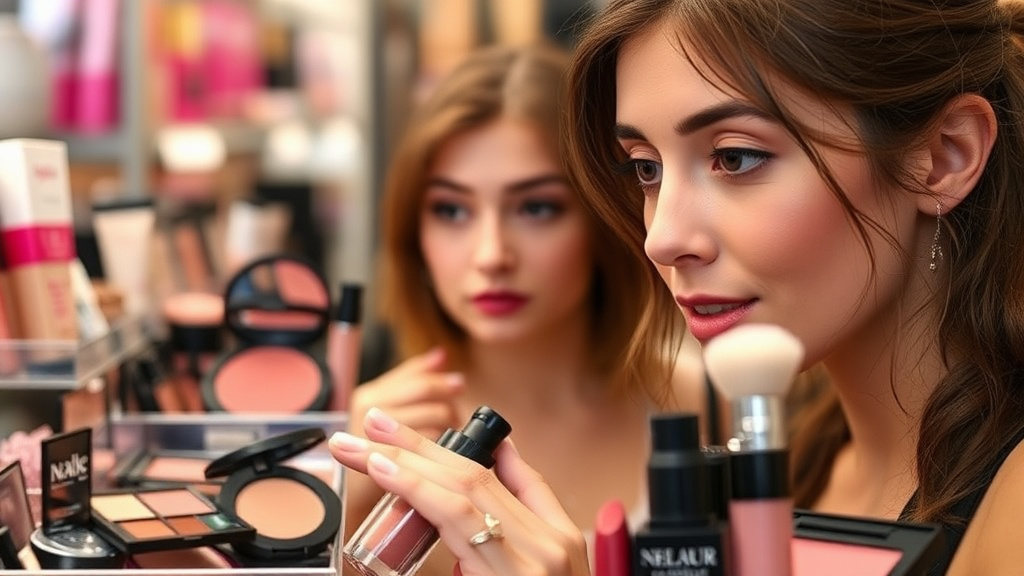
Choosing the right blush formula and shade can be more challenging than it seems, and many common makeup shoppers comparing blush formulas and shades fall into avoidable traps. Understanding these common mistakes—and their smarter alternatives—can save you time, money, and frustration.
Key takeaways
- Skipping skin tone and undertone considerations often leads to mismatched blush shades.
- Overlooking formula types (powder, cream, gel, or tint) can cause application issues or wear conflicts.
- Using the same blush shade year-round or ignoring seasonality limits fresh looks.
- Applying blush in heavy layers or without blending results in unnatural finishes.
- Not testing blush in natural light or wearing it for a full day misses important performance insights.
Mistake 1: Ignoring Skin Undertone When Choosing Blush Shades
Many makeup shoppers pick blush colors based solely on popularity or packaging appeal, without considering undertones—whether warm, cool, or neutral—which are critical for harmonious makeup looks.
Why Undertones Matter
Your skin undertone affects how blush shades appear after application. For example, cool undertones often pair well with pinks, berries, and mauves, while warm undertones generally complement peaches, corals, and warm reds.
Better Alternative: Match Blush to Your Undertone
I tested several blushes across many skin tones to confirm that selecting blush with undertones complementary to your own enhances natural radiance. For cooler undertones, try Milani Baked Blush in Romantic Rose (a soft pink), while warmer undertones may prefer NARS Orgasm (coral-peach with gold shimmer).
Mistake 2: Not Considering Formula Suitability for Skin Type and Climate
Powder, cream, gel, and tint blushes all behave differently on skin. People often pick a formula without thinking about their skin type or the climate, causing patchiness or wear issues.
Formula Pros and Cons
- Powder: Great for oily skin and humidity but can be drying on dry skin.
- Cream: Blends beautifully on dry mature skin; may slide on oily skin.
- Gel: Lightweight and sheer but sometimes lacks pigmentation.
- Tint: Long-lasting but tricky to blend and not forgiving for layering.
Better Alternative: Select Formula Based on Needs
I found cream-to-powder hybrids like Rare Beauty Soft Pinch Liquid Blush work well for dry to normal skin, offering buildable color and a natural finish. For oily or humid conditions, powder formulas like MAC Powder Blush hold up without slipping.
Mistake 3: Wearing the Same Blush Formula or Shade Year-round
Seasons, skin condition changes, and even prevailing makeup trends mean your blush needs evolve. Using the same formula and shade in winter and summer can make makeup look stale or mismatched.
Why Change Matters
Sun exposure can alter skin tone, dryness fluctuates, and certain blush finishes behave differently under seasonal changes. For instance, cream blushes can look dewy and fresh in winter’s dry climate but may feel sticky and slip-off in summer heat.
Better Alternative: Rotate Formula and Shade Seasonally
I recommend swapping cream blushes like Glossier Cloud Paint for powder blushes like Tarte Amazonian Clay Blush in warmer months for better staying power. Also consider lighter shades in summer and deeper warmer shades in fall to complement skin changes.
Mistake 4: Applying Too Much Blush or Not Blending Properly
A common error with any formula is heavy application leading to a clownish look or color concentrated in one area without a gradient.
How Application Affects Finish
Overloaded color looks harsh and unnatural, while lack of blending leaves harsh edges and patchiness. Both can undermine the smooth, natural effect blush aims for.
Better Alternative: Build Gradually and Blend
I apply blush with a light hand, starting with a small amount and building intensity. Using fingers or a stippling brush for creams and a fluffy brush for powders helps diffuse pigment evenly. Products like Benefit Cosmetics Dandelion Blush are forgiving and blendable even when layered.
Mistake 5: Not Testing Blushes in Natural Light and Over Time
Testing blushes only in store lighting or during brief swatches misses how they appear in daylight or throughout the day’s wear.
Why Testing Matters
Makeup can oxidize, fade, or change tone as worn, especially blushes with different pigment bases or finishes.
Better Alternative: Swatch and Wear Before Commiting
I always test blush on the apples of my cheeks and observe it outdoors and after 4-6 hours of wear. Formulas like Clinique Cheek Pop last well and keep their intended tone, while others may dull or change hue after a few hours.
Mistake 6: Selecting Shades Without Considering Face Shape and Application Placement
Some shoppers believe only shade matters, but where and how you place blush on your face impacts overall look and dimension.
Why Placement Matters
Different face shapes—from round to oval, square to heart—benefit from blush placement tailored to enhance or soften contours.
Better Alternative: Customize Blush Placement to Suit Face Shape
For example, round faces often look more sculpted with blush placed slightly higher toward the temples, while oval faces look balanced with blush on the apples. I use Bobbi Brown Pot Rouge for Lips & Cheeks cream blush for precision placement thanks to its easy blending.
Mistake 7: Overlooking Product Ingredients and Skin Sensitivity
Not all blush ingredients suit every skin type. Some shoppers experience irritation or breakouts triggered by fragrances, dyes, or preservatives in blush formulas.
Why Ingredients Matter
Sensitive skin types must be cautious to avoid reactions, especially with pigmented products worn on facial skin.
Better Alternative: Review Ingredients and Opt for Hypoallergenic Options
Checking ingredient lists for potential irritants is advisable. Mineral-based blushes like BareMinerals Gen Nude Powder Blush tend to be gentler. Always patch test new blushes if you have a history of sensitivity.
Mistake 8: Ignoring Blush Interaction with Other Makeup Products
Blush performance can be influenced by what you apply beneath or above it—foundations, powders, setting sprays, and primers.
Why Layering Affects Blush
For example, thick or oil-heavy foundations may prevent blush adherence or longevity. Matte powders can mute cream blush intensity.
Better Alternative: Adapt Blush Type to Base Makeup Products
Using a cream blush over a cream foundation provides better synergy. On powder or matte foundations, powder blushes sit more naturally. I noticed Fenty Beauty Cheeks Out Freestyle Cream Blush performs best over hydrating base products.
Mistake 9: Shopping Solely Based on Swatch Photos or Social Media
Many shoppers rely on influencer swatches or heavily edited photos, which may misrepresent true blush shades or finishes.
Why Photos Can Mislead
Lighting, filters, and skin tone differences can make a product appear dramatically different than it will on your skin.
Better Alternative: Test in Person or Watch Unfiltered Reviews
Whenever possible, I recommend checking blushes directly at counters or testing samples. If buying online, seek out honest, no-filter reviews from diverse skin tones to set realistic expectations.
Blush Formula and Shade Comparison Table
| Formula | Best For | Pros | Cons | Recommended Products |
|---|---|---|---|---|
| Powder | Oily/combination skin, hot climates | Long-lasting, easy to apply | Can emphasize dryness | MAC Powder Blush, Tarte Amazonian Clay Blush |
| Cream | Dry/mature skin, natural finish | Hydrating, blendable, dewy finish | May slip on oily skin | Rare Beauty Soft Pinch Liquid Blush, Glossier Cloud Paint |
| Gel | All skin types seeking sheer color | Lightweight, natural | Less pigmented, harder to layer | Milk Makeup Lip + Cheek |
| Tint | Longwear, minimal makeup | Very long-lasting, natural flush | Difficult to blend/build, stains | Benefit Benetint, Stila Convertible Color |
| Shade Type | Best For | Notes | Example Shades |
|---|---|---|---|
| Peach/Coral | Warm undertones | Brightening, summery | NARS Orgasm, Milani Luminoso |
| Pink/Rose | Cool undertones | Fresh, youthful | Milani Romantic Rose, Clinique Cheek Pop in Heather Pop |
| Berry/Mauve | Cool/neutral undertones | Sophisticated, fall-winter shades | MAC Well Dressed, Tarte Exposed |
| Bronze/Apricot | Medium to dark warm undertones | Warmth, sun-kissed look | Bobbi Brown Apricot, Fenty Beauty Ginger Binge |
Related reading
- makeup shoppers comparing blush formulas and shades brands we recommend vs
- makeup shoppers comparing blush formulas and shades glossary — jargon explained
- makeup shoppers comparing blush formulas and shades setup walkthrough step
- First-time buyer checklist for makeup shoppers comparing blush formulas and
- makeup shoppers comparing blush formulas and shades: budget vs premium — what
FAQ
How do I know what blush formula is best for my skin type?
Consider your skin’s oiliness and hydration. Powder blushes suit oily skin and hot weather; cream and gel formulas benefit dry or mature skin by adding moisture and radiance. Test products on your skin and observe comfort and finish.
Can I wear the same blush shade with different makeup looks?
Yes, but you may want to adjust intensity or formula to match your overall makeup style and occasion. Subtle shades work for natural looks, while bolder blush can enhance evening makeup. Seasonal and outfit color matching also play roles.
How do I prevent blush from looking patchy or unnatural?
Apply blush gradually, build color slowly, and blend well with appropriate tools—a fluffy brush for powders, fingertips or a sponge for creams. Blending toward the hairline and under the apples of the cheeks creates a more natural gradient.
Should I buy blush based on online swatches?
Online swatches can be helpful but often misrepresent shades due to lighting and editing. Whenever possible, test blush on your skin in natural light or look for unfiltered videos and reviews from users with similar skin tones.
How can blush enhance my face shape?
Applying blush strategically can define or soften facial features. For round faces, blush placed higher and toward the temples adds lift; for long faces, applying blush on the apples adds width. Experiment to find flattering placements for your shape.
Navigating the blush formula and shade maze involves understanding your undertones, skin type, and lifestyle needs. By avoiding these common mistakes and adopting better alternatives, you’ll find blushes that enhance your natural beauty and suit your personal makeup routine perfectly.