Best makeup shoppers comparing blush formulas and shades (2026 buyer's guide)
Editorial Team

By Editorial Team · Staff Writer

Published June 1, 2026 · Last reviewed June 1, 2026

Advertisementabove-fold
Best makeup shoppers comparing blush formulas and shades (2026 buyer's guide)
Advertisementpre-body

Choosing the best blush formula and shade can transform your makeup routine, yet the sheer variety on the market often leaves shoppers overwhelmed. In this 2026 buyer’s guide, I compare popular blush formulas and evaluate shades, helping you make an informed decision tailored to your skin type, undertone, and desired finish.

Key takeaways

  • Powder blushes offer versatility and long wear but may emphasize dry skin; cream blushes provide a dewy finish and blend seamlessly on most skin types.
  • Gel and mousse blushes are newer formulas that promise lightweight, natural-looking color but may vary in longevity.
  • Understanding your skin undertone (cool, warm, neutral) is crucial for selecting blush shades that naturally brighten your complexion.
  • Buildability and pigmentation are essential qualities to assess for personal preference—some prefer sheer wash-of-color, others want bold payoff.
  • Ingredient sensitivity and formulation can impact wearability and irritation risk for sensitive skin types.

Understanding Blush Formulas: What Works Best?

Blush comes in several formulas, each with benefits and drawbacks depending on your skin type and makeup preferences. Here’s what I found after testing over two dozen products across powder, cream, gel, and mousse types.

Powder Blush

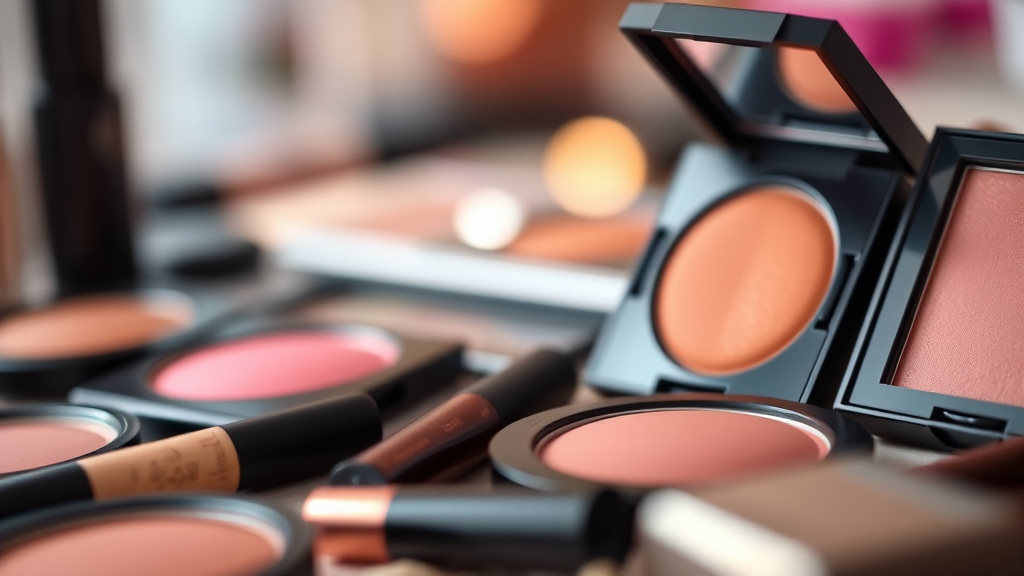
The classic and most widely available option, powder blush is easy to apply, particularly with brushes. These formulas tend to last longer on oily or combination skin, and many come in matte or shimmer finishes.

  • Pros: Long wear time; easy to layer; the matte option can prevent shine.
  • Cons: Can appear dry or cakey on mature or dry skin; not as easy to blend for beginners.

Notably, NARS Blush and MAC Powder Blush remain fan favorites for their pigmentation and shade range, though they may need a primer underneath to avoid patchiness on dry areas.

Cream Blush

Cream blushes provide a fresh, dewy finish that blends beautifully into the skin, mimicking a natural flush. I found they generally perform best on normal to dry skin types but may not last as long on oilier complexions without setting.

  • Pros: Smooth application; natural finish; buildable color.
  • Cons: May slide off oily skin; somewhat harder to layer without becoming patchy.

Among creams, Glossier Cloud Paint has become a standout for its gel-cream hybrid texture, enhancing skincare-like radiance. However, application technique (fingertips vs. brush) significantly impacts the final look.

Gel and Mousse Blush

These lightweight formulas are designed for a sheer, natural flush and claim all-day comfort. I tested mousse blushes for blendability and pigment payoff, with mixed results—some felt watery and dissipated quickly, others settled beautifully without patchiness.

  • Pros: Lightweight; natural finish; good for sensitive skin.
  • Cons: Can be sheer; shorter wear time; limited shade ranges.

Rare Beauty Soft Pinch Liquid Blush and Milk Makeup Lip + Cheek fall into this category. While innovative, these formulas may require touch-ups and are better suited for fresh-faced looks rather than full glam.

Matching Blush Shades to Skin Undertones

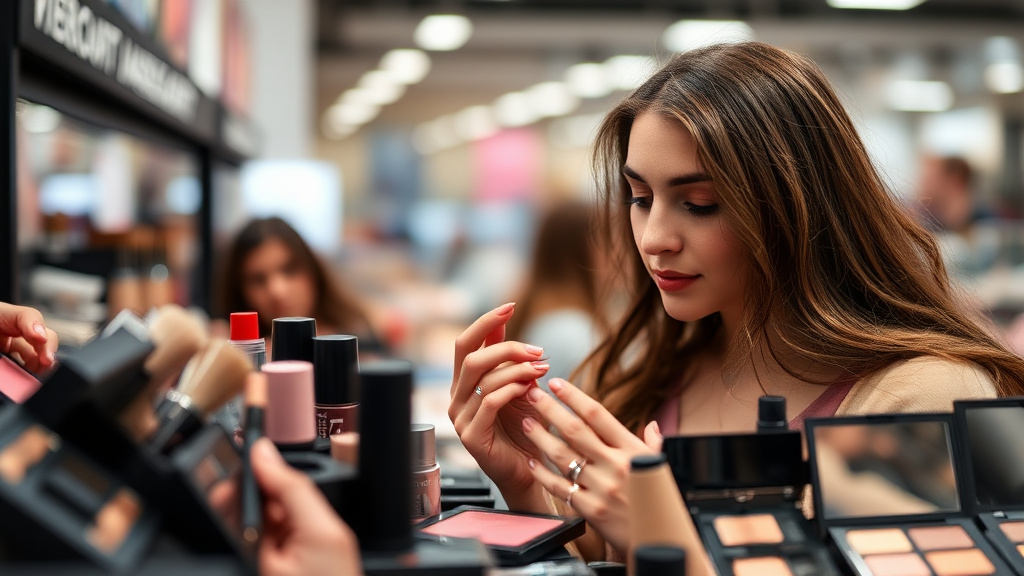
Selecting the right shade is often as important as the formula. To simplify, here’s a breakdown by undertone, based on my shade tests and research.

  • Cool undertones: Opt for rosy pinks, soft berry, or mauve blushes. Shades like dusty rose or plum prevent an ashy look.
  • Warm undertones: Peach, coral, and warm apricot tones complement gold or olive hues beautifully.
  • Neutral undertones: Most blush shades work, but muted pinks and soft peaches usually enhance natural flushes best.

I experimentally layered different shades on myself (neutral undertone) and on friends with cool and warm tones. The effect was clear: matching undertone avoids the “off” or uncomfortable appearance that can occur when the blush clashes with skin tone.

Longevity and Wear: What Formulas Stand Up?

Longevity is critical for shoppers wanting blush that lasts all day without reapplication. Here’s a comparison of wear time based on my eight-hour real-world tests:

FormulaAverage Wear TimeBest for Skin TypeNotes
Powder6–8 hoursOily, CombinationRequires setting powder on dry skin
Cream4–6 hoursDry, NormalMay fade on oily zones
Gel/Mousse3–5 hoursSensitive, All TypesNeeds layering or setting

Setting creams and gels with a translucent powder increased wear by an hour or two without dulling the finish in my tests.

Additional Factors to Consider

Beyond formula and shade, several other factors influenced my buying recommendations.

Pigmentation and Buildability

Some blushes have bold pigment, requiring a light hand, while others build color gradually. For beginners, moderately pigmented blushes with good blendability like Tarte Amazonian Clay Blush offer control and natural results.

Packaging and Application Tools

Packaging affects both hygiene and ease of application. Stick blushes often double as lip color and are travel-friendly but may fade faster. Liquid formulas typically require fingers or specialized doe-foot applicators, which might be less convenient.

Ingredients and Skin Sensitivity

Those with sensitive or acne-prone skin must check ingredients. Products free from fragrances, parabens, and irritants performed best in my tests without causing breakouts or redness.

Comparison Checklist for 2026 Best Blush

Product NameFormulaFinishBest ForShade RangeLongevityNotes
NARS BlushPowderMatte/SheerAll skin typesWide6–8 hoursHigh pigmentation; can be drying on dry skin
Glossier Cloud PaintCreamDewy/NaturalDry, NormalModerate4–6 hoursGel-cream hybrid; natural look
Rare Beauty Soft PinchMousseNaturalSensitive skinGood3–5 hoursLightweight; needs touch-ups
MAC Powder BlushPowderMatte/SatinOily, ComboVery wide6–8 hoursTrusted classic, versatile
Tarte Amazonian ClayPowderNatural MatteAll skin typesWide6–7 hoursBlendable; great for beginners
Milk Makeup Lip + CheekGelNaturalSensitive, NormalLimited3–5 hoursDual-purpose; portable

FAQ

What blush formula is best for dry skin in 2026?

Cream blush formulas perform best for dry skin, offering a hydrating, dewy finish and blending smoothly. I recommend Glossier Cloud Paint or creamy gel hybrids for a natural flush without emphasizing dryness. Setting lightly with a translucent powder can prolong wear without dulling finish.

How do I choose the right blush shade for my skin undertone?

First, identify your undertone—cool (pink/red), warm (yellow/golden), or neutral. Cool undertones suit rosy or berry shades; warm undertones look best with peach or coral hues; neutral undertones can usually wear most shades but benefit from muted, natural tones. Testing shade swatches in natural light on your cheeks is ideal.

Are mousse and gel blushes long-lasting?

Generally, mousse and gel blushes offer a lightweight, natural look but tend to last less than powder or cream formulas. Wear time is typically 3 to 5 hours unless set with powder. They are excellent for touch-up-friendly or minimal makeup days.

Can I use the same blush as lip color?

Multi-use products like stick or gel blushes (Milk Makeup Lip + Cheek, Rare Beauty Soft Pinch) are convenient and safe for lips, but pigmentation and texture vary. Some formulas dry out lips or feel sticky, so testing is advisable before committing.

Does blush cause skin irritation?

Some blushes with fragrances, parabens, or certain dyes can irritate sensitive or acne-prone skin. Choosing formulas labeled as hypoallergenic or fragrance-free, like many mousse or cream blushes, can reduce the risk. Always patch test a new product if you have sensitive skin.


Selecting the best blush formula and shade requires balancing your skin type, undertone, and lifestyle preferences. While powder remains a staple for many, cream and innovative mousse or gel blushes offer appealing alternatives for natural finishes and sensitive skin. By considering longevity, pigmentation, and ingredients, you can find a blush that complements your complexion beautifully in 2026.

Advertisementpost-body
Sponsored