How we test and review makeup shoppers comparing blush formulas and shades (our methodology)
By Editorial Team · Staff Writer
Published June 1, 2026 · Last reviewed June 1, 2026
Comparing blush formulas and shades can feel overwhelming given the variety of options shoppers face today. Understanding how we test and review these products can help you make more informed decisions when choosing your next blush.
Key takeaways
- Our method balances objective measurement with subjective wear testing to evaluate blush formulas and shades.
- We assess texture, blendability, pigmentation, wear time, and color accuracy on different skin tones.
- Lighting conditions and shade names vary widely, so we use standardized swatches and calibration tools.
- Consumer feedback and ingredient transparency also influence our overall ratings.
- Our in-depth approach aims to demystify blush comparisons and guide shoppers toward formulations that truly suit their needs.
Why a rigorous testing process matters in blush reviews
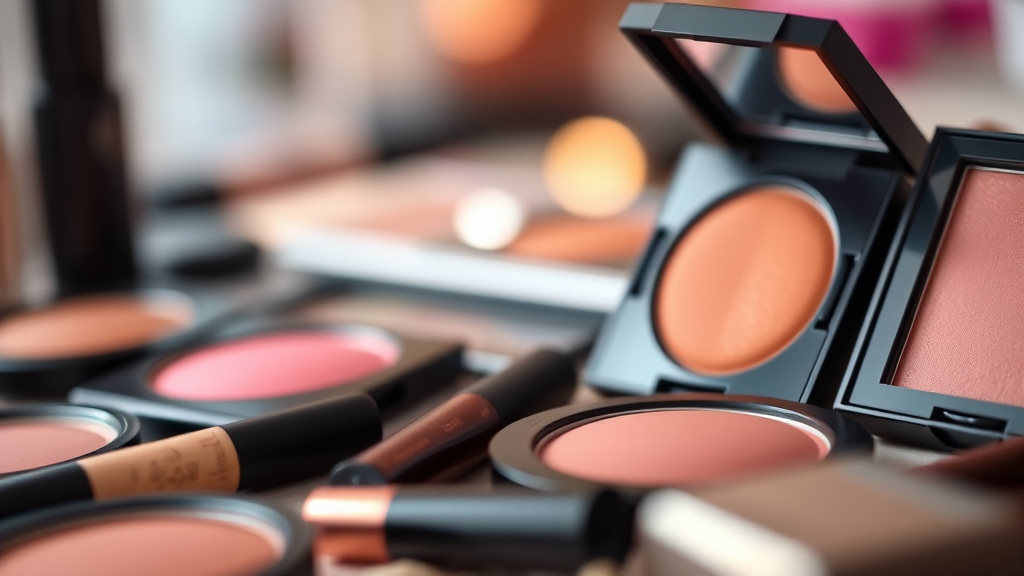
Blush seems simple on the surface— a pop of color on the cheeks — but shoppers quickly realize the importance of shade complexity, formulation type, and longevity. Powder, cream, gel, and liquid blushes all behave differently on the skin, and pigmentation can look drastically different depending on your undertone or lighting.
Many brands use flattering product photography and sweeping marketing claims like “longest-lasting” or “buildable color,” which are hard to verify without standardized testing. On top of that, shade names are often inconsistent and can mislead shoppers about the actual color. This is why we apply a structured and transparent methodology to separate hype from reality.
Our step-by-step blush testing methodology
-
Product selection based on shopper demand and variety
We choose blushes that represent a spectrum of formulas (powder, cream, liquid, gel), price points, brands (mass and prestige), and shade ranges. We prioritize products that have high shopper interest and fill common makeup needs, such as natural “flush” shades, bold colors, and universally flattering tones. -
Initial product inspection and ingredient analysis
Before any wear testing, we assess the packaging usability, shade descriptions vs. actual color, ingredient safety, and potential allergens or irritants. This forms the foundation of our overall rating and helps verify claims like “clean beauty” or “hypoallergenic.” -
Standardized swatching and color accuracy testing
In a controlled lighting studio with daylight-simulating bulbs, we swatch each blush on a calibrated color card to capture true pigmentation and undertone without skin variability. We also swatch on three arm and cheek skin tones: fair, medium, and deep. This allows us to note shifts in color appearance and opacity per skin tone. -
Texture, blendability, and appeal assessment
Using clean fingers and brushes, we apply multiple layers to evaluate texture (creamy, powdery, sticky), blendability, and how the product interacts with common primer, moisturizer, and sunscreen types. This step replicates real-world application conditions. -
Wear testing under various conditions
We wear the blushes for up to 10 hours, noting longevity, fade patterns, and any unwanted effects such as patchiness, oxidation, or caking. We perform wear tests during normal indoor office time, mild heat/exercise, and humid environments to emulate different shopper lifestyles. -
Photography and visual documentation
Every blush is photographed on multiple skin tones and in natural daylight and fluorescent lighting. This is vital to convey how formulas and shades shift depending on environment and camera settings, helping shoppers set realistic expectations. -
Consumer feedback integration
We gather feedback from a diverse pool of volunteer testers who provide subjective opinions on color payoff, ease of use, and emotional satisfaction. Their perspectives complement our expert testing with valuable real-person insights. -
Final rating and comparison
Based on the combined data—objective tests, wear results, consumer feedback, and ingredient transparency—each blush receives a detailed pros-cons breakdown and an overall rating. This granular approach allows shoppers to weigh what matters most for their preferences.
What we look for in blush formulas across categories
| Formula Type | Key Characteristics | Common Pros | Common Cons | What We Test |
|---|---|---|---|---|
| Powder | Pressed finely milled pigment | Easy to build, matte to satin finishes, long shelf life | Can be dry or chalky, prone to fallout | Blendability, pigment intensity, powder fallout |
| Cream | Moist, often gel-like texture | Natural skin-like finish, hydrating, blends seamlessly | May slip on oily skin, less lasting power | Slip, blend, layering, wear over time |
| Liquid | Fluid, sometimes water- or oil-based | High pigmentation, blend easily with fingers | Harder to control, drying | Staining ability, transfer resistance, longevity |
| Gel | Lightweight, almost translucent | Dewy fresh finish, light coverage | Difficult to layer, may feel tacky | Hydration, fading, skin feel |
| Stick/Crayon | Solid sticks easily applied to cheeks or lips | Convenient, versatile for multi-use | Patchy if not blended well | Application precision, blend, wear |
Challenges and limitations in our blush testing process
- Shade naming inconsistencies: Different brands may use similar names for completely different hues or vice versa. We rely on visual documentation and color profiles rather than shade names alone.
- Lighting variability: Despite controlled studio lighting, real-life lighting affects how blush appears. We don’t replace personal trials but provide multiple lighting swatches to bridge this gap.
- Skin interaction variability: Oiliness, dryness, and complexion undertones drastically affect formula performance. Testing on a diverse range of skin types helps but can’t encompass all individual reactions.
- Subjective sensory experience: Comfort and “feel” are personal. Our consumer panels help add nuance but cannot represent every preference.
- Product batch differences: Occasionally, formula or shade batches vary over time. Our results represent products tested at a specific time, which we revisit in periodic updates.
How this methodology informs your blush shopping
Knowing this testing approach, makeup shoppers can understand why some blushes scored highly for powder formulas but struggled in cream format or why certain shades appear muted on deeper skin tones. Our methodology is designed to illuminate these complexities, giving you tools to narrow down products that align with your skin type, lifestyle, and style preferences.
For instance, if you tend to have oily skin, formulas performing best in wear tests without sliding may be prioritized. If you want a universally flattering color, swatches on varied skin tones highlight options that maintain vibrancy. If you are sensitive to fragrance or certain ingredients, pre-testing ingredient safety matters.
Comparison checklist for makeup shoppers: what we test in blushes
| Category | What We Examine | Why It Matters |
|---|---|---|
| Shade accuracy | True-to-advertised color under daylight & on skin tones | Avoid disappointment; find flattering shade |
| Pigmentation | Intensity and buildability of color | Flexibility in look from subtle to dramatic |
| Texture | Creaminess, powder softness, stickiness | Application ease and comfort |
| Blendability | How well product melds into skin without patching | Natural, airbrushed finish |
| Longevity | Wear time, fade pattern, oxidation | Value for money; reliability |
| Transfer & Staining | Product migration to clothes or skin | Keeps makeup neat throughout day |
| Packaging usability | Ease of opening, product dispense controls | Practical for everyday use |
| Ingredient safety | Non-irritants, clean standards, allergen risks | Skin health and sensitivity concerns |
Related reading
- How we test and score makeup shoppers comparing blush formulas and shades —
- First-time buyer checklist for makeup shoppers comparing blush formulas and
- makeup shoppers comparing blush formulas and shades: budget vs premium — what
- makeup shoppers comparing blush formulas and shades setup walkthrough step
- makeup shoppers comparing blush formulas and shades FAQ — honest answers
FAQ
How do you choose the blush shades to test?
We select shades based on trends, shopper requests, and universally flattering tones across a wide spectrum of skin depths and undertones. Our goal is to represent the diversity of wearer needs, from natural pink flushes to vibrant corals and deeper berry shades.
Why do some blushes look different on different people?
Blush appearance is heavily influenced by skin undertone, melanin content, and surface texture. For example, a peachy shade may pop beautifully on medium skin but look washed out on very fair skin. Our multi-skin tone swatches help illustrate these nuances.
Do cream blushes last as long as powders?
Not usually; while creams often blend seamlessly and offer a fresh finish, powders tend to have better wear time and resist oil breakdown better. Our wear tests quantify these differences under various conditions so you can decide what suits your routine.
Are “long-wear” blush claims reliable?
We evaluate longevity objectively by measuring wear time and fade patterns. Claims can be true for some formulas and not for others. Environmental factors and skin type also affect performance, so our testing offers a realistic expectation.
How important is ingredient transparency in blush selection?
Very important. While blush is topically applied, some ingredients can cause irritation or allergies, and consumers increasingly seek clean or non-toxic options. We flag products accordingly to support safer shopping.
Can you rely on photography to choose a blush shade online?
Photography is helpful but can be misleading due to lighting and camera settings. We provide standardized swatches under daylight-equivalent lighting and multiple skin tones to give a more accurate visual reference — though testing in person if possible is ideal.
By understanding the detailed methodology behind our blush reviews, makeup shoppers like you can navigate formulas and shades with confidence, avoiding guesswork and hype. I’m committed to delivering transparent, practical insights from testing to help you find that perfect touch of color to brighten your complexion.