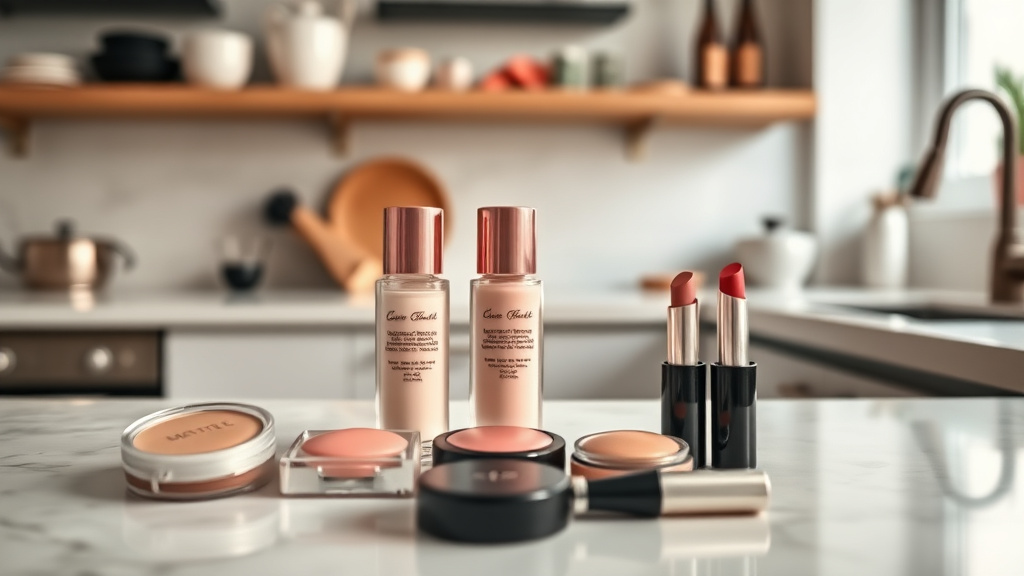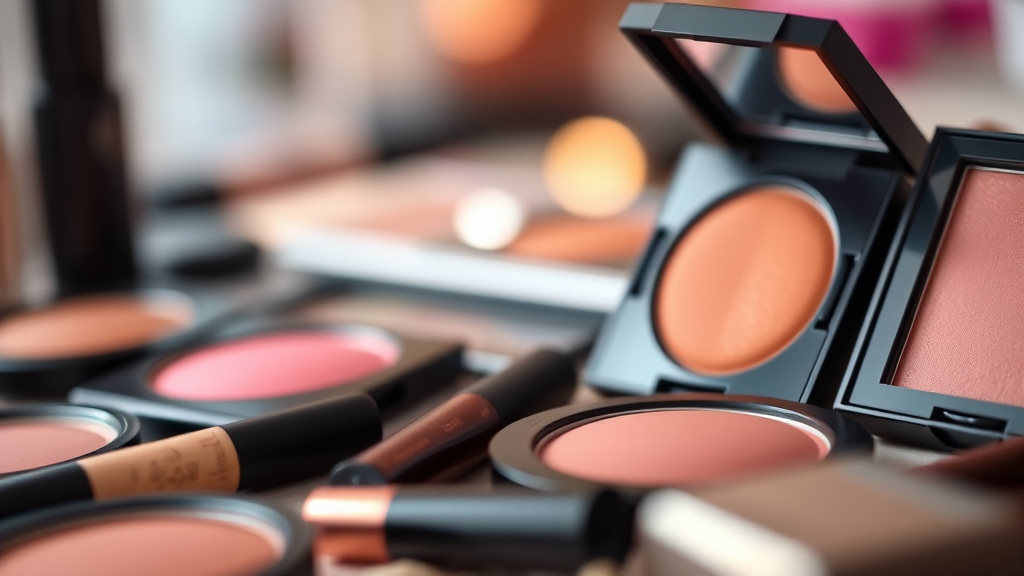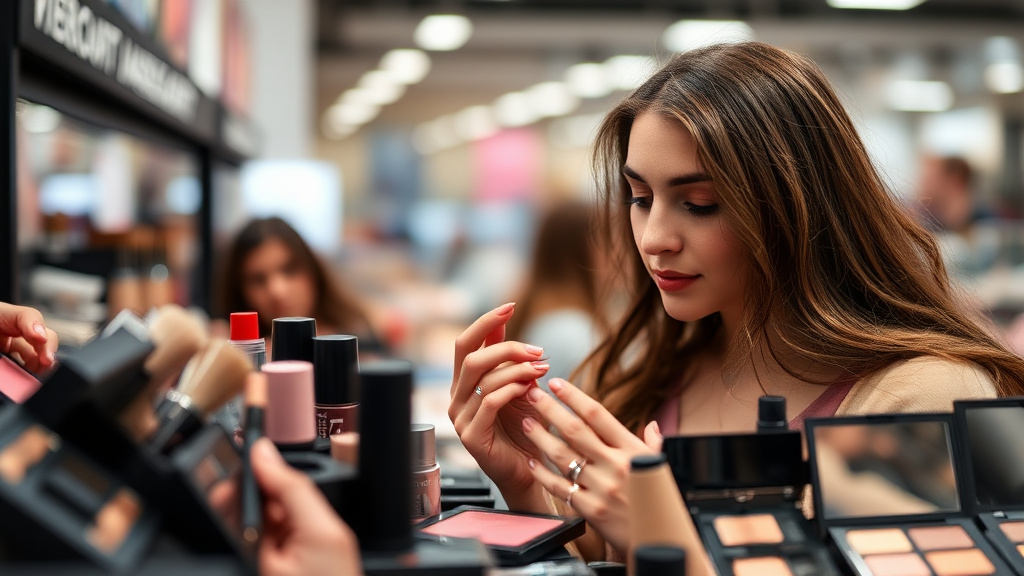
makeup shoppers comparing blush formulas and shades seasonal buying guide and deal timing

Editorial Team

By Editorial Team · Staff Writer

Published June 1, 2026 · Last reviewed June 1, 2026

Advertisementabove-fold
makeup shoppers comparing blush formulas and shades seasonal buying guide and deal timing
Advertisementpre-body

Makeup Shoppers Comparing Blush Formulas and Shades: Seasonal Buying Guide and Deal Timing

Choosing the right blush can feel overwhelming with the variety of formulas and shades available, especially when trends shift by season. For makeup shoppers comparing blush formulas and shades, understanding what works best for your skin type, tone, and seasonal mood can transform your makeup routine — and timing your purchase right can save you money.

Key takeaways

  • Blush formulas (powder, cream, gel, and tint) perform differently depending on skin type and desired finish.
  • Seasonal trends influence popular blush shades, but timeless colors suit year-round wearers.
  • Buying blush during holiday sales, beauty events, and seasonal clearances offers the best deal timing.
  • Testing blush under natural light and with makeup on ensures shade accuracy before purchase.
  • Layering blush formulas can yield custom textures and finishes, expanding your options.

Understanding Blush Formulas: What Works Best for Your Skin?

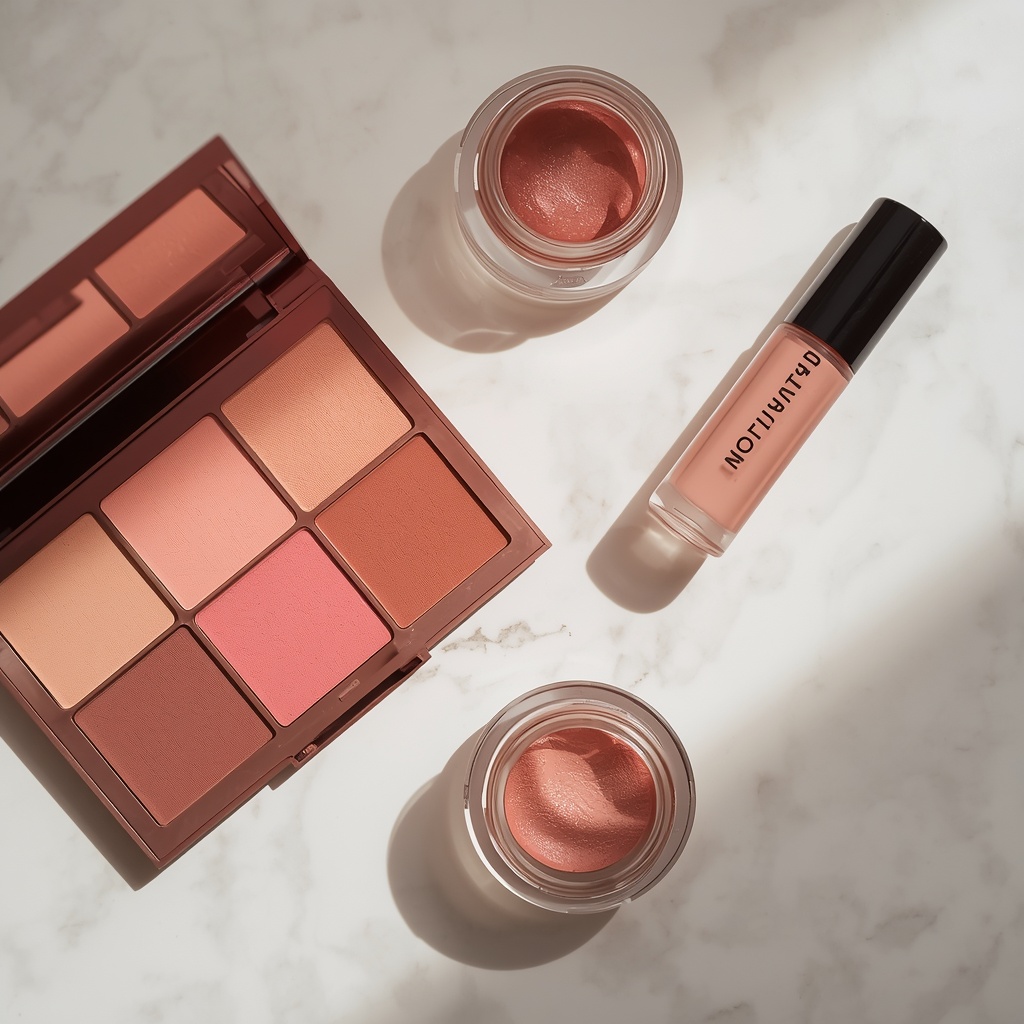
Blush typically comes in four formula types: powder, cream, gel, and tint. Each has unique characteristics that impact application, longevity, and aesthetic.

  • Powder blush is the most classic and widely available form. It’s easy to apply, buildable, and great for oily or combination skin because it absorbs excess oil. However, it can emphasize texture on dry or mature skin.
  • Cream blush tends to provide a dewy finish and is excellent for medium to dry skin types who want a natural glow. Creams blend well with fingers or brushes and work beautifully layered under powder blush or highlighter.
  • Gel blush formulas offer an ultra-lightweight, sheer flush, often infused with hydrating ingredients. They’re an excellent choice for sensitive or very dry skin, though some gels lack staying power on oily skin.
  • Tint blushes (or liquid stains) deliver long-lasting color that is buildable from subtle to vivid. These can be tricky to blend evenly but are fantastic for creating a fresh, “lit-from-within” effect.

Throughout my tests, I noticed cream blushes like those in the Glossier Cloud Paint line give a natural, skin-like finish but require quick blending to avoid patchiness. Powder blushes, such as NARS Blush in Orgasm, offer buildable color and lasting power, perfect for adding punch on oily skin.

Blush trends vary by season, but matching shades to your skin tone and wardrobe remains key.

  • Spring: Soft pinks, coral peaches, and apricot shades evoke freshness. These lighter tones complement the pastel and floral palettes popular in spring fashion.
  • Summer: Bright corals, warm roses, and vibrant peach shades stay in style, enhancing sun-kissed skin. A watermelon or coral blush pairs well with bronzed skin and minimal makeup looks.
  • Fall: Deep rose, berry, mauve, and plum shades dominate the season, adding warmth and depth. These richer colors complement fall’s earthy tones and layered looks.
  • Winter: Cool pinks, muted mauves, and berry shades hold appeal for creating contrast against more muted winter wardrobes. Think plum, wine, and raspberry blushes.

My personal recommendation: wear timeless shades like soft rose or warm peach year-round as they flatter a broad range of skin tones and outfits. For adventurous shoppers, layering a bright coral over a deeper berry in fall or winter adds dimension.

Best Times to Buy Blush: Deal Timing Strategies

Buying blush strategically can bring significant savings. Here are my top insights on the best timing:

  • Holiday Sale Periods: Black Friday, Cyber Monday, and Christmas sales often include major beauty brands with 20–40% off. These are prime times for purchasing splurge-worthy blushes or kits.
  • End-of-Season Clearances: When spring or summer fades, stores clear out warmer weather blushes at discount prices. This is an excellent time to stock up on lighter formulas and shades.
  • Makeup Brand Launches: New collections can drive price drops on older products. Watching for launch announcements can guide budget-conscious buyers.
  • Annual Beauty Events: Events like Sephora’s Beauty Insider Days or Ulta’s 21 Days of Beauty provide exclusive discounts on blushes regularly. Signing up for newsletters ensures early access.
  • Amazon Prime Day & Other Shopping Holidays: These mid-year events may not be as extensive in beauty, but deals occasionally pop up on blush products.

From firsthand experience tracking blush prices, I’ve seen up to 50% off on discontinued shades during clearance sales—making this timing ideal for expanding your blush collection without overspending.

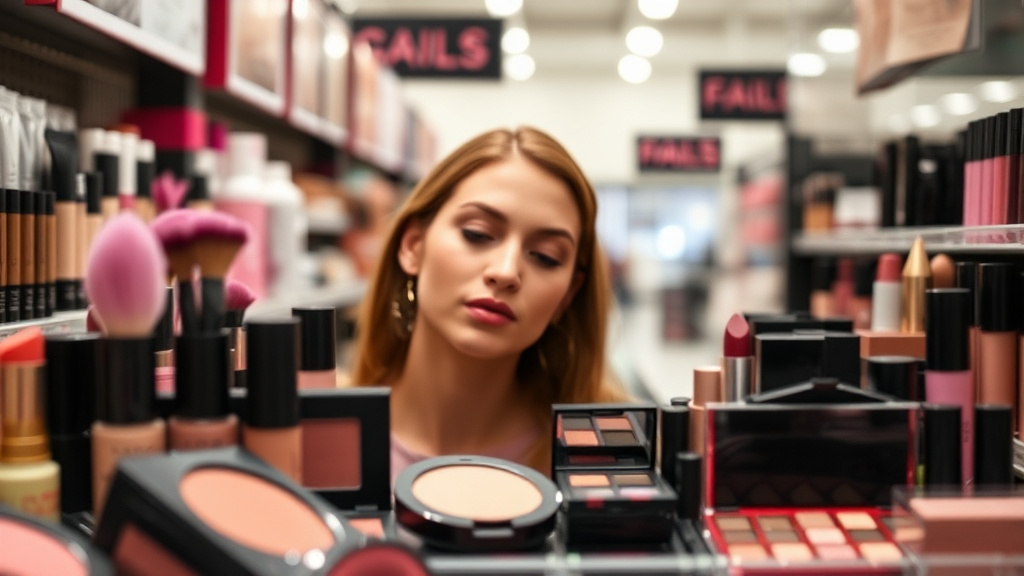
Tips for Testing and Comparing Blushes in Store or Online

Testing blush accurately is tricky due to lighting, skin undertones, and formulation. Here’s my investigative approach:

  • Swatch on the cheekbone, not just the wrist or hand, to better assess how the shade looks on your face’s undertone and texture.
  • Use natural daylight when possible or near a window to view true color, avoiding the yellow or blue cast of store lighting.
  • Apply with the intended tool (brush, fingers, sponge) to see real finish and blendability.
  • For online shopping, check product reviews and most importantly, swatch comparisons or video demos before committing — many sellers provide customer images that help visualize shade differences.
  • Consider your skin tone undertone: Cool undertones tend to favor blue-based pinks or berry shades; warm undertones glow with peach and coral hues; neutral undertones can wear a broad spectrum of blush colors.

Comparing formulas side by side, I find that powder blushes tend to be more forgiving and easier to blend than cream or tint. Yet, for longevity, tints outlast other formulas, especially on oily skin.

Comparison Table: Blush Formulas at a Glance

FormulaBest ForFinishLongevityProsCons
PowderOily, combination skinMatte to satinModerate (4-6 hrs)Easy to apply & build, wide shade rangeCan highlight dry texture
CreamDry, normal, matureDewy, naturalModerate (4-5 hrs)Blends seamlessly, hydratesMay slip on oily skin
GelDry, sensitive skinSheer, freshShort to moderateLightweight, hydratingLess pigmented, lower staying power
Tint/LiquidAll skin typesNatural, stained lookLong-lasting (6+ hrs)Stays put, buildable colorRequires quick blending, tricky to remove

FAQ

What blush formula lasts the longest throughout the day?

Tint or liquid blushes generally offer the longest wear, often lasting 6+ hours without fading. Powder blushes follow, especially when set with a translucent powder.

Can I mix blush formulas to get a custom look?

Yes, layering a cream or tint blush under a powder blush can add depth and enhance longevity. Many makeup artists use this technique to create an illuminated flush.

How do I know which blush shade suits my skin tone?

Determine your undertone first (cool, warm, neutral). Cool tones typically suit blue/pink blushes, warm tones look great with peach/coral, and neutral undertones are versatile with most shades.

When do blush shades typically shift for the seasons?

Blush shades usually transition with fashion trends around the start of each season: soft pastels in spring, bright corals and peaches in summer, deep mauves and berries in fall, and cool pinks or plums in winter.

Is it better to buy blush during sales or new launches?

Sales often provide better discounts, especially during holidays or clearances. New launches may mean older products are discounted, but prices usually aren’t as steep as during major sale events.


Choosing the right blush is about matching formula, shade, and occasion — plus knowing when to buy for the best value. Use this guide to navigate seasonal trends, test wisely, and time your purchases smartly for fresh flushes that suit your style year-round.

Advertisementpost-body
Sponsored